

Cocoa Beach offers more than a famous surf break: oceanfront parks, lagoon paddling, and casual local dining all shape daily life here. Explore the places that give the city its character, then learn what to consider when comparing homes, schools, and coastal ownership costs.
A Coastal Rhythm on the Space Coast
In Cocoa Beach, the Atlantic is part of the everyday landscape. A morning might begin with a walk along the sand, followed by lunch near the city center and an evening watching the light change over the Banana River. The city sits on a barrier island between the ocean and the lagoon, giving residents two distinct waterfront settings to explore.
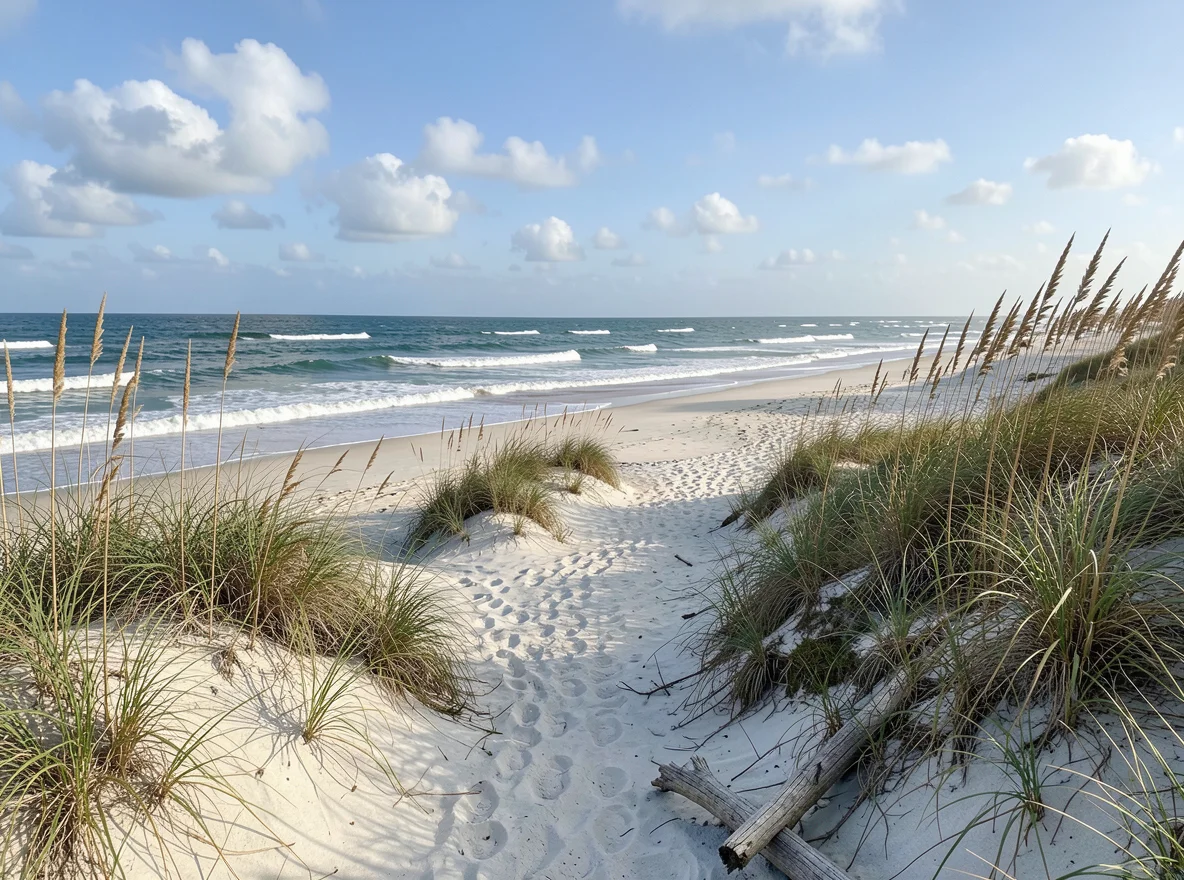
The setting is relaxed, but it is not limited to beach days. Surfing, paddling, local events, and dining add variety throughout the year. State Road A1A connects much of the city, and the causeways provide routes toward the mainland. As you explore, notice how your preferred beach access, errands, and regular destinations fit together; a map can look different once parking and traffic enter the picture.
For someone considering a move, a useful first visit includes more than a single afternoon on the sand. Try an oceanfront park, spend time on the lagoon side, and return in the evening for a meal. That mix reveals the contrast between the energy around popular gathering spots and the slower pace of a waterfront path or residential street.
Surf Spots and Time on the Sand
The Cocoa Beach Pier area is a recognizable gathering point for surfers and visitors, with the pier extending over the Atlantic and waves breaking along the surrounding shoreline. Surf conditions vary with the weather, swell, and tides, so the same stretch of water can feel different from one day to the next. Check current conditions and posted warnings before heading out, and give other surfers plenty of room.
For another way to reach the ocean, Lori Wilson Park offers beach access along with a boardwalk and a maritime hammock setting. Sidney Fischer Park is another oceanfront stop to consider when planning a walk or a few hours by the water. Amenities, parking arrangements, and access rules can change, so it is worth checking the latest park information before a visit.
Compare beach access as well as distance: public parking, boardwalk locations, and the route from a particular home can all affect how often you use the shoreline.
Surfing is woven into the city’s identity, but you do not need a board to appreciate the coast. A shoreline walk, a look at the waves from the pier, or a pause near the dunes can be part of an ordinary week. When touring homes, consider whether you prefer to be near a busy access point or farther from the activity, and visit at different times to get a clearer sense of the surroundings.
Lagoon Parks and a Different View of the Water
Across the barrier island, the Banana River Lagoon offers a quieter contrast to the Atlantic. Here, mangroves and sheltered waterways create a setting for kayaking, wildlife watching, and taking in the sunset. The Thousand Islands area is especially associated with paddling among mangrove islands; plan your route carefully and check weather, water conditions, and launch information before setting out.
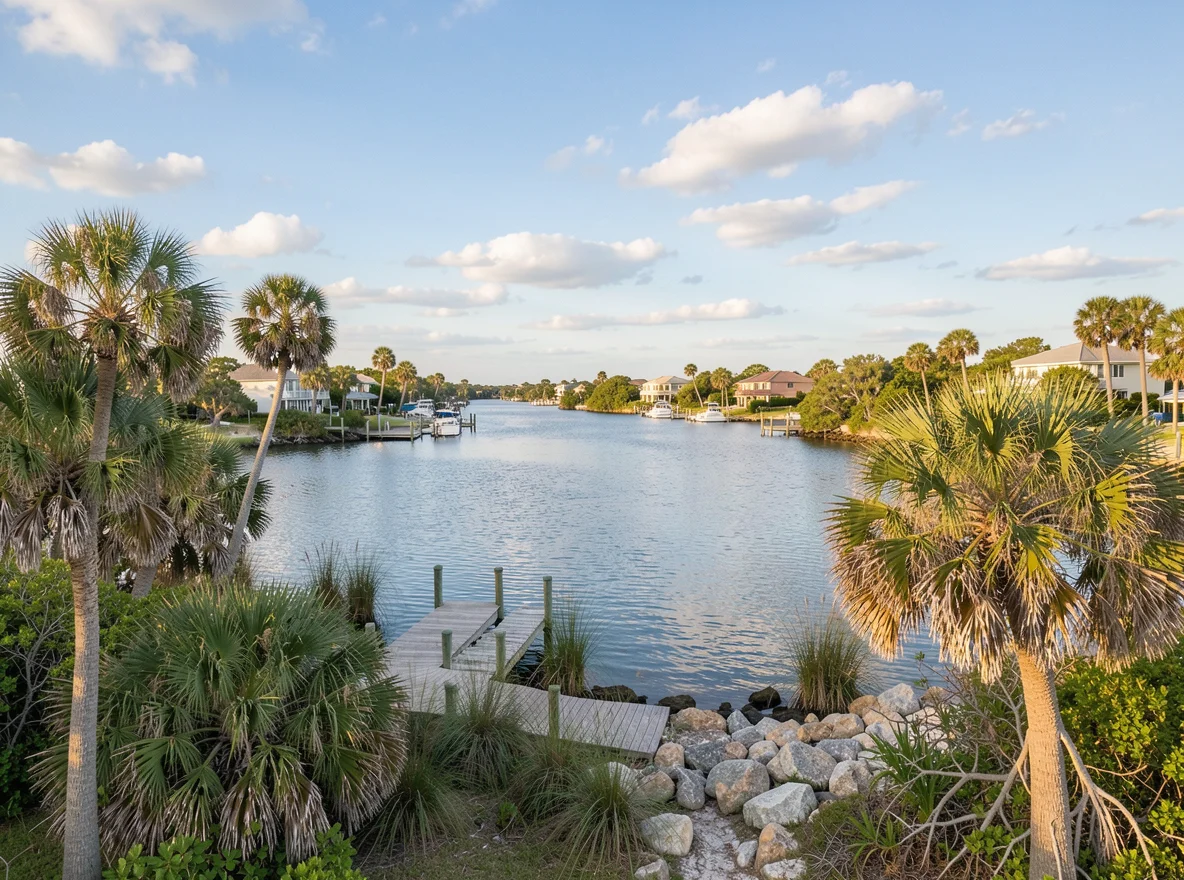
Ramp Road Park is one place to explore on the lagoon side, with water access and outdoor recreation facilities. A visit there can help buyers understand how different the city feels away from the surf: the water is calmer, the vegetation is denser, and the view changes with the light. Bring binoculars for birdwatching, and give wildlife and sensitive shoreline habitat space.
Waterfront property also comes with practical questions. If a home has a dock, seawall, or direct water access, review its condition and ask about maintenance, permitting, and any restrictions before assuming it will support a particular boat or project. Canal depth, tides, bridge clearances, and access to open water can differ from one property to another.
Local Dining and Everyday Stops
Dining is part of the coastal routine, whether that means a casual breakfast before a beach walk or a longer meal after sunset. Around the city center and along the main routes, you can find choices ranging from seafood and waterfront dining to coffee, pizza, and other familiar favorites. The area around the pier also offers places to eat with an ocean-oriented setting.
Rather than planning a visit around one meal, try several parts of town. Stop for breakfast, check out a lunch spot, and return for dinner to see how the atmosphere changes. Hours and menus can shift, particularly around holidays or seasonal demand, so confirm details directly before making plans. Grocery stores, everyday services, and nearby mainland destinations are also worth adding to a scouting trip.
Community life extends beyond dining. Beach outings, outdoor recreation, and local gatherings give the city a distinct sense of place, while its Space Coast location adds another memorable feature: rocket launches may be visible from the area when conditions and launch schedules align. Viewing opportunities are never guaranteed, but the possibility is part of the local experience.
Schools, Homes, and Coastal Considerations
School research is best done alongside a property search rather than after it. Cocoa Beach Junior/Senior High School and Theodore Roosevelt Elementary School are among the public schools in the area. Assignments, programs, and enrollment policies can change, so contact Brevard Public Schools directly to verify the options for a specific address and ask about the features that matter to you.
Housing choices can include condominiums, townhomes, and detached homes, with differences in proximity to the ocean, lagoon, and local amenities. A waterfront view, walkable beach access, or a private outdoor space may affect how you compare properties, but the right balance depends on your own priorities and budget. Ask for recent comparable sales and current listing information rather than relying on a citywide impression of the market.
A coastal home’s purchase price is only part of the picture. Request insurance estimates and review flood risk, association fees, and maintenance responsibilities before deciding what fits your budget.
For a condominium, examine the association documents, budget, reserve information, insurance coverage, and any anticipated assessments with appropriate professionals. For any property, consider inspections and questions about the roof, windows, drainage, and exposure to salt air. Flood zones and insurance requirements vary by property and lender, so verify the specifics rather than assuming that every home near the water has the same costs.
Whether you are buying or preparing to sell, understanding the setting makes the real estate details more meaningful. Spend time at the surf, explore the lagoon, sample a few local meals, and ask property-specific questions. Together, those experiences can help you see how a home fits into the broader rhythm of Cocoa Beach.