

Selling a Cocoa home starts well before the listing goes live. A well-supported price, a focused preparation plan, and polished presentation can help buyers understand the value of your property quickly. The goal is not to make every possible upgrade—it is to make smart decisions that support a confident first impression.
Start With a Price That Reflects Today’s Competition
Pricing a home is part research, part strategy, and part timing. In Cocoa, buyers may compare a property with homes in nearby neighborhoods, similar homes in Rockledge or Merritt Island, and other options across Brevard County. That means the strongest list price is rarely based only on what a seller hopes to receive, what was paid years ago, or an automated online estimate. It should be grounded in recent comparable sales, active listings, pending contracts, condition, location, lot characteristics, and the features that make the home distinct.
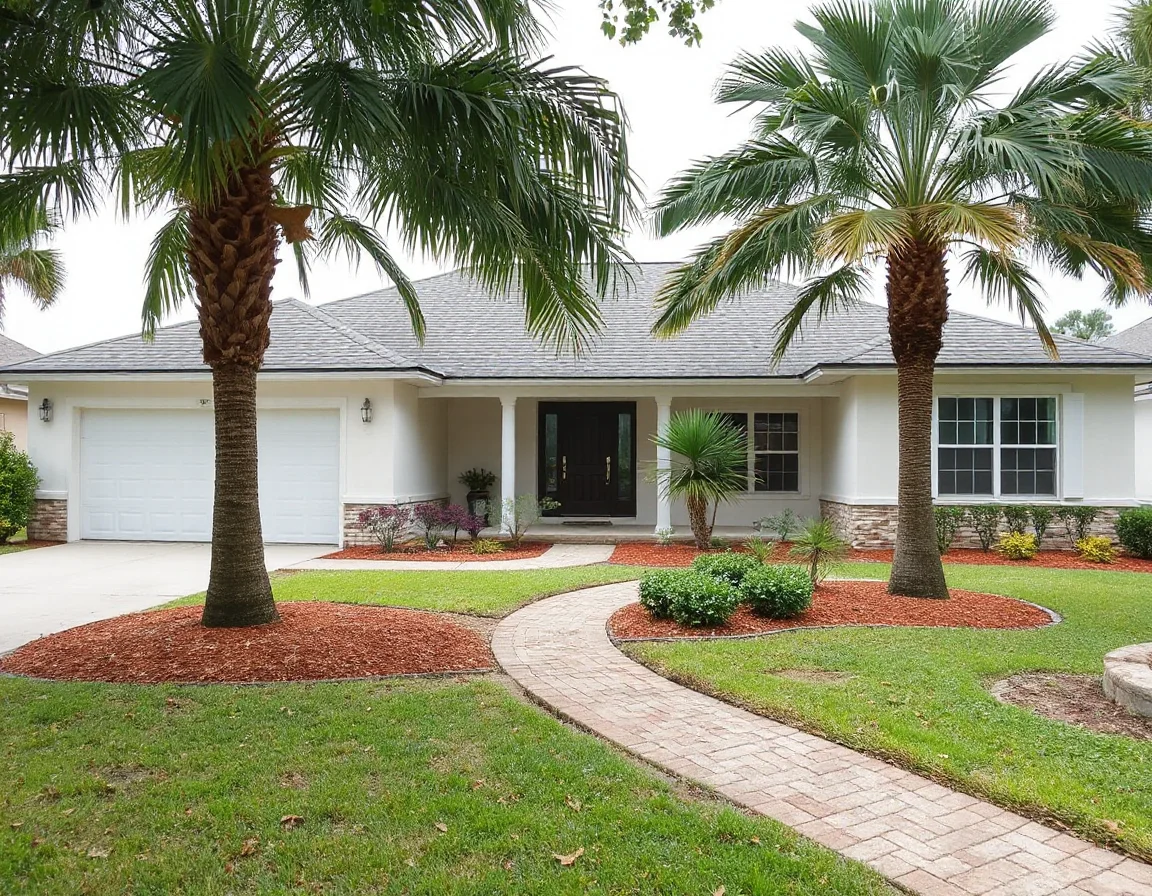
Recent closed sales provide useful evidence, but active listings show the choices buyers can see right now. If several similar homes are available, the property needs a clear reason to stand out—whether that is condition, presentation, a flexible floor plan, outdoor space, or a price that recognizes the competitive landscape. Pending sales can also offer helpful clues about where current buyer activity is landing, although final terms are not always visible until closing.
It is equally important to make honest adjustments. A renovated kitchen, newer roof, screened porch, pool, larger lot, waterfront access, or updated impact features may influence value, but not every improvement returns its full cost. Likewise, deferred maintenance, unusual layouts, busy-road exposure, or a home that needs extensive updating should be considered before choosing a number. A thoughtful comparative market analysis turns these details into a pricing range rather than relying on a single broad estimate.
The first few weeks on market often bring the most focused attention. A price that aligns with current alternatives can generate stronger early interest than a higher price followed by repeated reductions.
It can be tempting to “test” the market with an ambitious price. Sometimes a property has rare features that justify a premium, but an unsupported number may cause buyers to move on before they ever schedule a visit. A well-positioned price can encourage showings, create useful feedback, and help a seller evaluate demand with real information rather than guesswork. The best strategy is one that fits the home’s condition and the market at the moment it launches.
Prepare the Property for a Strong First Impression
Once the price strategy is taking shape, preparation becomes the next priority. Buyers begin forming impressions from the first listing photo and continue doing so from the curb to the entryway. Start with a practical walkthrough from a buyer’s perspective: note peeling paint, loose hardware, worn caulk, visible stains, burned-out bulbs, cluttered counters, crowded rooms, and landscaping that needs attention. Small repairs and cleaning projects can make the home feel more cared for without requiring a full renovation.
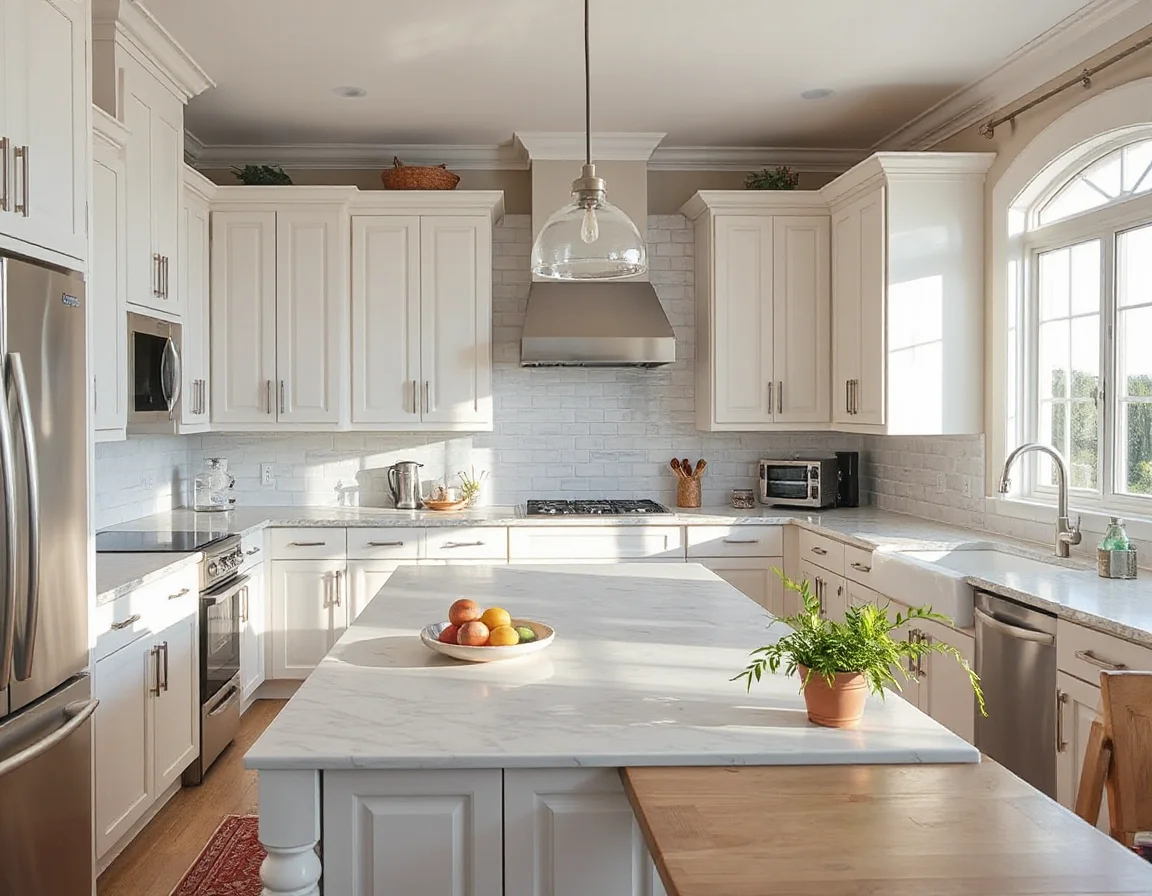
Cleaning is one of the most visible investments a seller can make. Windows, floors, baseboards, ceiling fans, appliances, bathrooms, and outdoor living areas all deserve close attention. Cocoa’s humid climate also makes it worthwhile to address any signs of moisture, mildew, or drainage concerns before photography and showings. If a repair needs professional evaluation, it is usually better to understand the scope early than to be surprised by an inspection issue later.
Decluttering is not about removing all personality from a home. It is about making rooms easier to understand. Clear pathways, edited furniture, and open surfaces allow buyers to see dimensions, storage, and natural light. Pack items that will eventually move anyway, including excess seasonal décor, duplicate kitchen tools, off-season clothing, and personal paperwork. Closets, pantries, laundry areas, and garages matter too; organized storage helps communicate how the home functions day to day.
For larger updates, focus on projects that buyers will notice immediately and that fit the home’s price range. Fresh neutral paint, updated lighting, simple landscaping, repaired screens, refreshed mulch, or modern cabinet hardware can have a meaningful visual effect. Major remodeling deserves more caution. Before replacing flooring throughout the house or undertaking a custom renovation, compare the likely market response with the time, disruption, and cost involved.
A focused pre-listing repair list is often more effective than a long renovation wish list. Address condition concerns first, then invest in improvements that help rooms photograph and show well.
Make the Listing Easy to Experience Online and In Person
Today’s buyers often decide whether to visit a home after reviewing photos, property details, and location information online. Professional photography, accurate room descriptions, a complete feature list, and a clear explanation of major updates can help them understand what they are seeing. If the property has a covered patio, workshop, boat or RV parking where permitted, mature landscaping, a recently updated system, or other notable elements, those details should be documented clearly and truthfully.
Before photos are taken, remove magnets and papers from appliances, hide toiletries and cleaning supplies, put away pet items when possible, and open blinds to show natural light. Outdoor spaces should receive the same attention as interior rooms. Trim vegetation, sweep walkways, straighten furniture, clear hoses and tools, and make sure house numbers are visible. A clean, welcoming exterior supports the value story before anyone steps inside.
Showing readiness matters after launch as well. Keep the home comfortably maintained, use consistent lighting, secure valuables and medications, and make it easy for approved appointments to take place. If daily schedules make immediate access difficult, create a realistic plan in advance. A home that is easy to show can receive more opportunities for buyers to evaluate it in person.
Explore the home-selling process
Use Feedback to Guide the Next Decision
Once the listing is active, feedback can help confirm whether the pricing and preparation are working. A steady flow of showings with no offers may point to a concern about condition, layout, features, or price. Very limited showing activity can indicate that the home is not standing out against competing listings online. Individual comments are subjective, but patterns are useful—especially when the same point appears repeatedly.
Stay focused on the factors you can control: condition, access, marketing quality, responsiveness, and price. Sellers who review market changes regularly are better positioned to make timely decisions if new competition appears or buyer activity shifts. With a clear plan and realistic expectations, preparing a Cocoa home for sale can feel less overwhelming and more like a series of manageable, value-focused steps.