

Buying your first home in Melbourne starts well before you find a listing you love. From comparing mortgage options to reviewing Florida-specific insurance costs and meeting contract deadlines, each step helps you move toward closing with a clearer picture of the commitment.
1. Set a budget before you tour
Start by looking beyond the purchase price. Your monthly housing budget may include principal and interest, property taxes, homeowners insurance, mortgage insurance, and association fees. Leave room for utilities, maintenance, and an emergency reserve, too. A lender can explain what you may qualify to borrow, but the amount you feel comfortable spending is a separate decision.
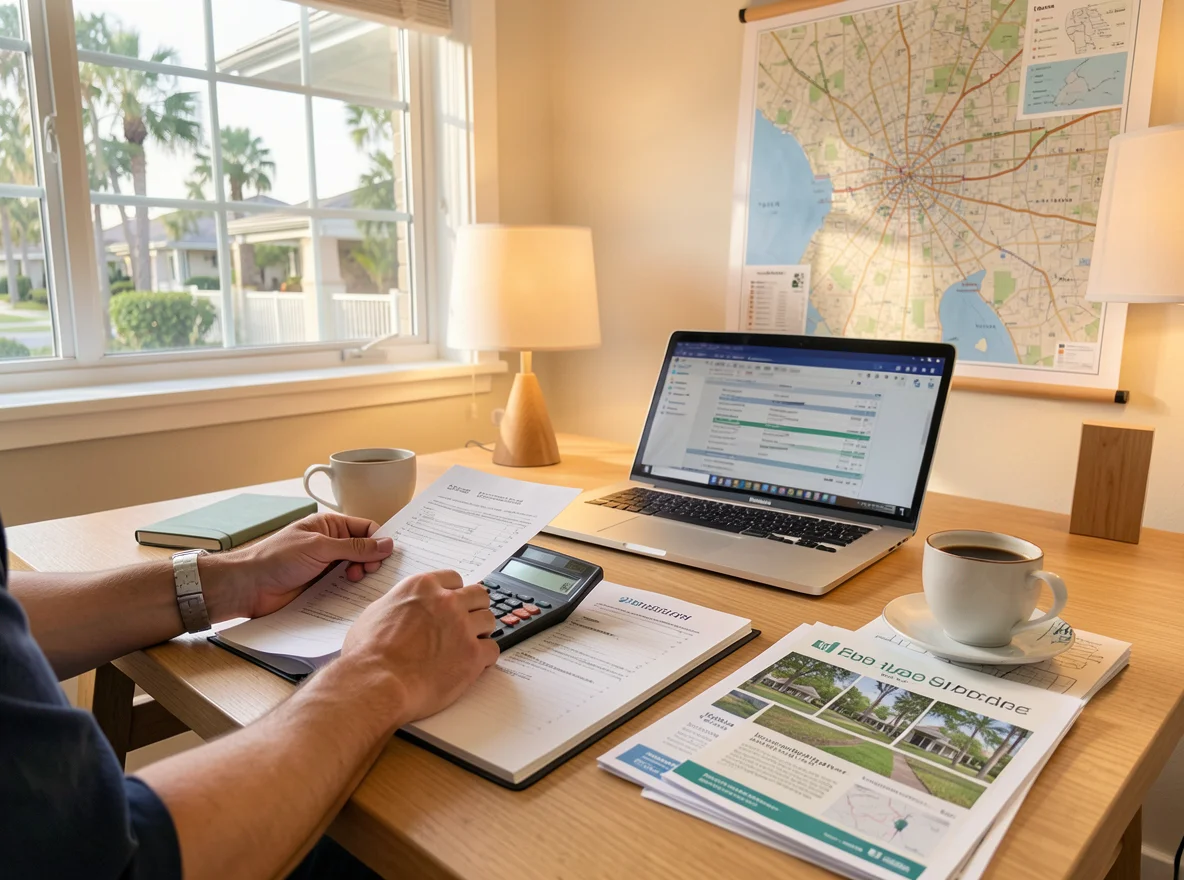
Plan for the cash needed upfront as well. Depending on your loan and contract, that can include a down payment, an earnest money deposit, inspection fees, an appraisal, and closing costs. Earnest money is generally credited toward your purchase at closing, subject to the contract. Ask your lender for an estimate of the total cash you may need so you can compare options with confidence.
In Florida, insurance deserves attention early in the process. Premiums and deductibles vary by property, coverage, and insurer. A home’s roof, construction, location, and condition can affect the quote. Flood insurance is separate from standard homeowners insurance, and a lender may require it for certain properties. Request property-specific estimates rather than relying on a seller’s current costs.
A seller’s tax bill and insurance premium are not reliable estimates of what you will pay. Ask for updated, property-specific numbers before deciding what fits your budget.
Property taxes can change after a sale, particularly when the current owner has exemptions or assessment limitations. Ask the appropriate local tax office and a qualified professional how to estimate your future bill and whether you may qualify for a homestead exemption. Keep your estimate flexible until you have details for a particular home.
2. Compare lenders and get preapproved
A mortgage preapproval gives you a useful starting point for your search and shows sellers that a lender has reviewed your financial information. Expect to provide documents such as income records, bank statements, employment information, and permission for a credit check. The lender’s review helps establish a preliminary borrowing range, but it is not a final loan commitment.
Speak with more than one lender and ask about interest rates, loan types, fees, down payment requirements, and any available assistance programs. Compare the full loan estimate, not just the advertised rate. Ask whether the rate is locked, how long the lock lasts, and what could cause your estimated payment or closing costs to change.
Once you are preapproved, check with your lender before taking on new debt, making large purchases, or moving substantial funds between accounts. Changes to your finances can affect final approval. Keep copies of updated statements handy and respond promptly if the lender requests additional documentation.
Explore tips for choosing a lender
3. Define your search in Melbourne
With a budget in mind, list the features that matter most: location, layout, outdoor space, maintenance needs, and access to the places you visit regularly. Separate essentials from preferences you could compromise on. Consider the practical details of each property, including parking, commute routes, association rules, and the condition of major systems.
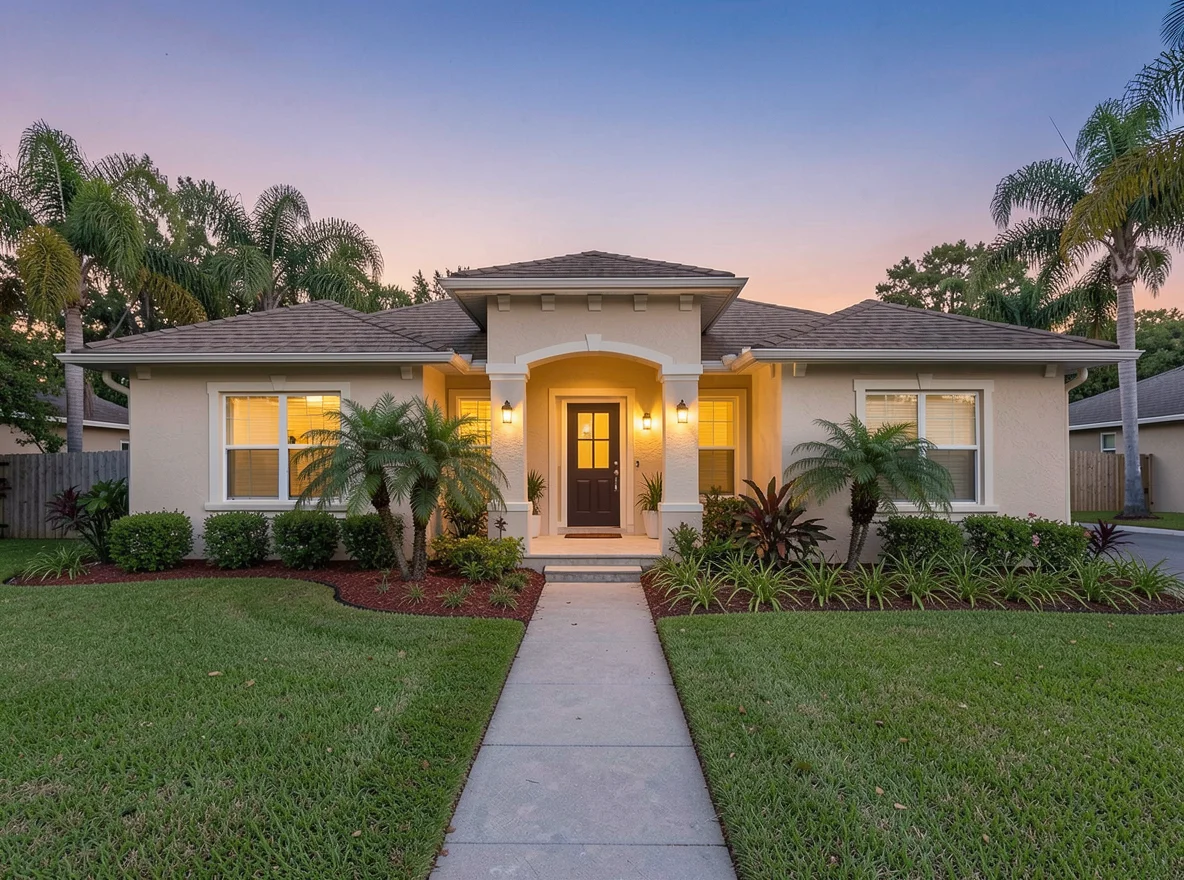
As you explore listings, compare homes on more than appearance. Ask when the roof and major equipment were last updated, whether permits are available for significant work, and what is included in the sale. A home that needs improvements may still be worth considering, but those improvements belong in your overall budget.
If you are considering a condominium or a property in a homeowners association, request the governing documents, budget, fee information, and details about any pending or approved assessments. Review restrictions that matter to your plans and ask your lender whether the property meets financing requirements. Allow time to understand these details within the applicable contract deadlines.
Your agent can help you evaluate recent comparable sales and arrange tours. Listing prices and available homes change, so use current information rather than assuming every property will attract the same level of interest. Visit at different times when possible and consider how the location works for your daily routines.
4. Make an offer and understand the contract
When you find a home that fits, your agent can help you prepare an offer based on comparable sales, the property’s condition, and your budget. Price is only one part of the proposal. The deposit, financing terms, inspection provisions, closing date, and any requested seller concessions also matter. The seller may accept, reject, or counter your offer.
Read the contract carefully before signing. Florida purchase contracts can differ, and important dates and protections depend on the form and negotiated terms. Ask your agent or a Florida real estate attorney to explain anything you do not understand, including how and when your deposit may be at risk. Once the agreement is fully executed, keep a calendar of every deadline.
Inspection, financing, and other contract deadlines can arrive quickly. Confirm the exact dates in your signed agreement and schedule needed appointments promptly.
5. Complete inspections, appraisal, and financing
Arrange a professional home inspection within the period specified in your contract. Depending on the property and your lender or insurer, you may also want to discuss roof, wind mitigation, pest, or other specialized inspections. Review the reports with qualified professionals and ask for repair estimates when needed. Your options to request repairs, negotiate, or cancel depend on the contract and its deadlines.
Your lender will typically order an appraisal to assess the property for financing. An appraisal is not a substitute for an inspection: one addresses value for the lender, while the other examines condition. If the appraisal comes in below the agreed price, discuss the available options with your lender and agent; the contract and financing terms will shape what happens next.
During underwriting, the lender verifies your finances and reviews the property before issuing a final decision. This is also the time to finalize insurance, review the title work, and resolve outstanding questions. Stay in contact with your lender, agent, and closing professional so requests do not sit unanswered.
6. Review the numbers and close
Before closing, review the closing disclosure and compare it with your earlier loan estimate. For most mortgages, lenders must provide the disclosure at least three business days before closing. Ask about any changes in the payment, fees, or cash required. Your closing professional can also explain the title search, title insurance options, and how ownership will be recorded.
Arrange a final walk-through as allowed by your contract to check the property’s condition, agreed repairs, and included items. Confirm payment instructions directly with your closing professional using a trusted phone number you already know; never rely solely on an emailed change to wiring instructions.
At closing, you will sign the required documents and provide the remaining funds. Once the transaction is completed and possession is delivered according to the agreement, you can begin settling in. A thoughtful first purchase is a series of manageable decisions: ask questions, keep track of deadlines, and lean on your real estate and lending professionals whenever a detail needs clarification.