

A well-maintained Malabar home starts with the basics: keeping water out, managing humidity, and caring for the systems buyers will want to understand. Thoughtful updates and good records can make those efforts easier to see when it is time to sell. Here is how to prioritize projects without assuming every renovation will pay for itself.
Start with the roof and exterior
Florida’s rain, heat, humidity, and storms put a home’s exterior to work year-round. In Malabar, a practical maintenance plan begins with the surfaces and details that keep weather outside. A roof in good condition, sound exterior finishes, and drainage that carries water away from the house can help prevent small issues from becoming larger repair projects.

Look for missing or damaged roofing materials, stained ceilings, deteriorating flashing, and debris collecting in gutters. Have a qualified roofing professional assess concerns rather than climbing onto the roof yourself. Keep records of inspections, repairs, and replacement dates; buyers and insurers may ask about roof age and condition, although coverage requirements vary by carrier and property.
Walk around the exterior after a rainstorm and notice where water collects. Downspouts should discharge away from the foundation, and vegetation should not conceal areas that need attention. Check exterior caulk, siding, trim, and paint for gaps or deterioration, then address problems before moisture has an opportunity to move behind finished surfaces.
A roof leak is more than a roofing issue: water can also damage insulation, ceilings, and interior finishes. Address the source before paying for cosmetic repairs.
Storm preparation is another part of the picture. Inspect existing shutters or other opening protection for missing hardware and make sure you know how the system operates. Before replacing windows or doors, discuss product approvals, installation requirements, and any potential insurance implications with the appropriate professionals; savings are not guaranteed.
Give moisture and major systems regular attention
A comfortable interior depends on more than a fresh coat of paint. In a humid climate, an air-conditioning system that operates properly and manages indoor moisture is an important maintenance priority. Schedule service according to the manufacturer’s recommendations, replace filters as directed, and investigate persistent musty odors or condensation rather than masking them.
Check under sinks, around toilets, near the water heater, and behind accessible appliances for leaks or staining. Keep an eye on supply hoses and visible plumbing connections, and ask a licensed professional to investigate recurring problems. If water damage or suspected mold is extensive, consult qualified remediation and repair professionals to determine the cause and appropriate next steps.
Electrical panels, water heaters, and HVAC equipment may not be the most photogenic parts of a listing, but their condition matters during a buyer’s evaluation. Keep service invoices and manuals in one place, along with warranties and documentation for major replacements. Those records can help answer questions, although they do not replace an inspection or guarantee that equipment is problem-free.
Consider the property’s specific systems
Not every Malabar property has the same utilities or site features. If a home has a private well, septic system, irrigation equipment, or other specialized infrastructure, learn its service history and follow applicable maintenance guidance. A qualified contractor can explain testing, inspection, and servicing needs for the actual equipment. Buyers should verify which systems are present and budget for independent due diligence.
Choose updates that improve everyday function
Once the essentials are in order, look for improvements that make the home easier to use and maintain. A full renovation is not always necessary: repairing worn cabinet doors, replacing a leaking faucet, refreshing grout, or improving task lighting can make a room feel cared for without rebuilding it from scratch.
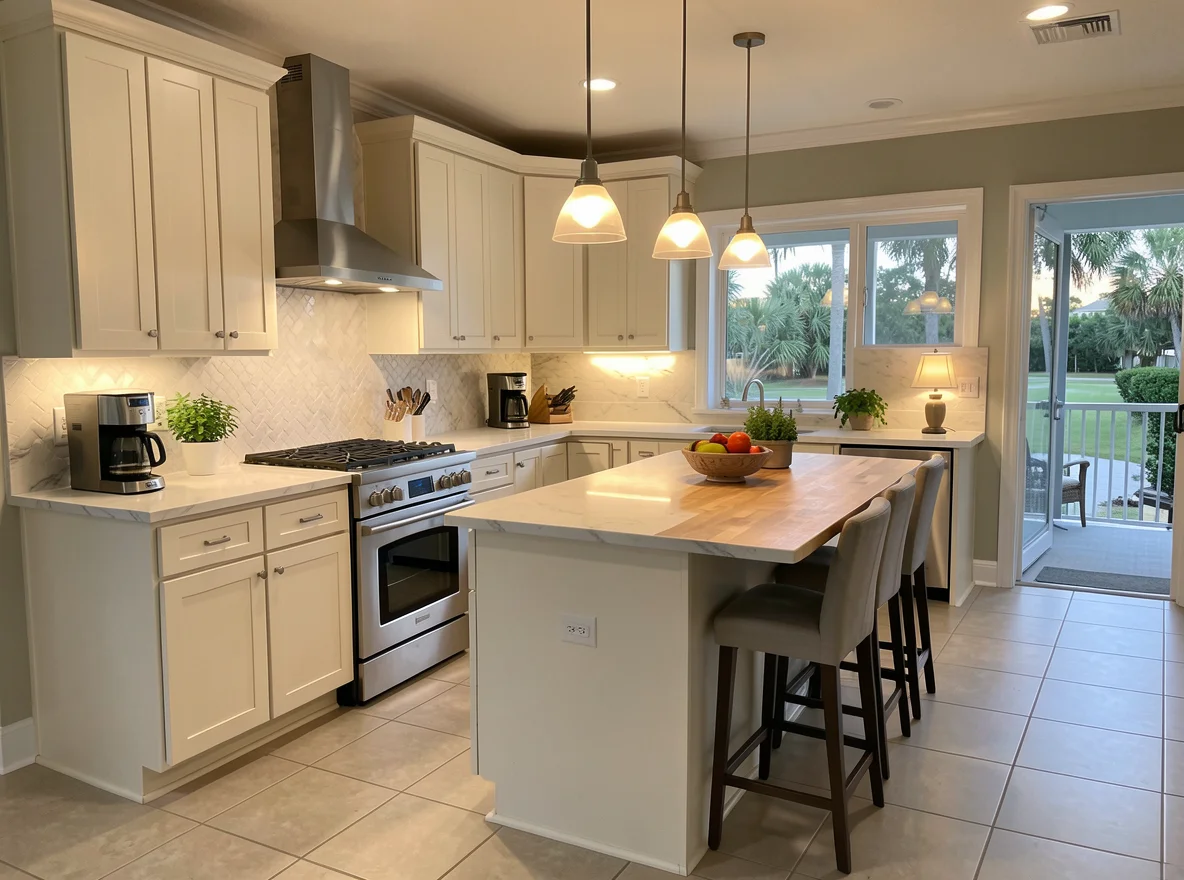
In kitchens and bathrooms, durable materials and consistent finishes can be more useful than highly personalized features chosen solely for resale. Compare the cost of a modest refresh with the cost of a larger remodel, and reserve room in the budget for hidden repairs. A local real estate professional can help you consider how the proposed work fits the home and comparable properties, but no project comes with a guaranteed return.
For flooring and paint, focus first on damaged, stained, or mismatched areas. If a replacement is needed, consider materials appropriate for the room and the home’s maintenance needs. Neutral finishes can make it easier for buyers to envision their own furnishings, while a clean, functioning space still offers value to the current owner.
Before work begins, obtain written estimates that describe the scope, materials, schedule, and payment terms. Confirm contractor licensing and insurance where applicable, and check with the relevant local permitting authority about required permits and inspections. Keep final invoices and permit documentation with the rest of the home’s records.
Prioritize repairs that prevent damage before cosmetic upgrades. Fresh finishes are less helpful if an unresolved leak damages them again.
Make the exterior easy to care for
First impressions start before the front door opens. Trim overgrown vegetation, clear walkways, repair obvious trip hazards, and maintain outdoor lighting. A tidy entrance, functioning door hardware, and a clean exterior can help a property present well without requiring an elaborate landscape redesign.
Keep plants and mulch appropriately separated from the house, and watch for drainage patterns that direct water toward it. If the property has mature trees, consider a qualified arborist’s advice about branches near the roof or other structures. Local conditions and the property’s layout should guide the work; avoid removing healthy vegetation without understanding any applicable rules.
Florida homeowners should also stay attentive to pests and wood damage. Ask a qualified pest-control professional about inspection and treatment options appropriate to the property. If damage is found, address the underlying issue as well as the visible repair, and retain the documentation for future reference.
Build a plan around your timeline and budget
Start with a simple list: urgent repairs, routine maintenance, and optional improvements. For each item, note the estimated cost, who should perform it, and whether the work may require a permit. If you are preparing to sell soon, consider getting a professional assessment and discussing priorities with your real estate agent before committing to a major renovation.
Buyers can use the same framework when evaluating a property. Review available disclosures and records, arrange inspections suited to the home, and ask questions about the age and condition of major components. Inspection findings can help inform repair estimates and negotiations, subject to the terms of the purchase contract.
Explore the home buying process
For owners planning ahead, maintenance is an ongoing investment in the property’s condition and usability—not a promise of a particular sale price. When you are ready to weigh your next project against a possible sale, Patricia Lorenzo can help you consider your home in the context of the local market.