
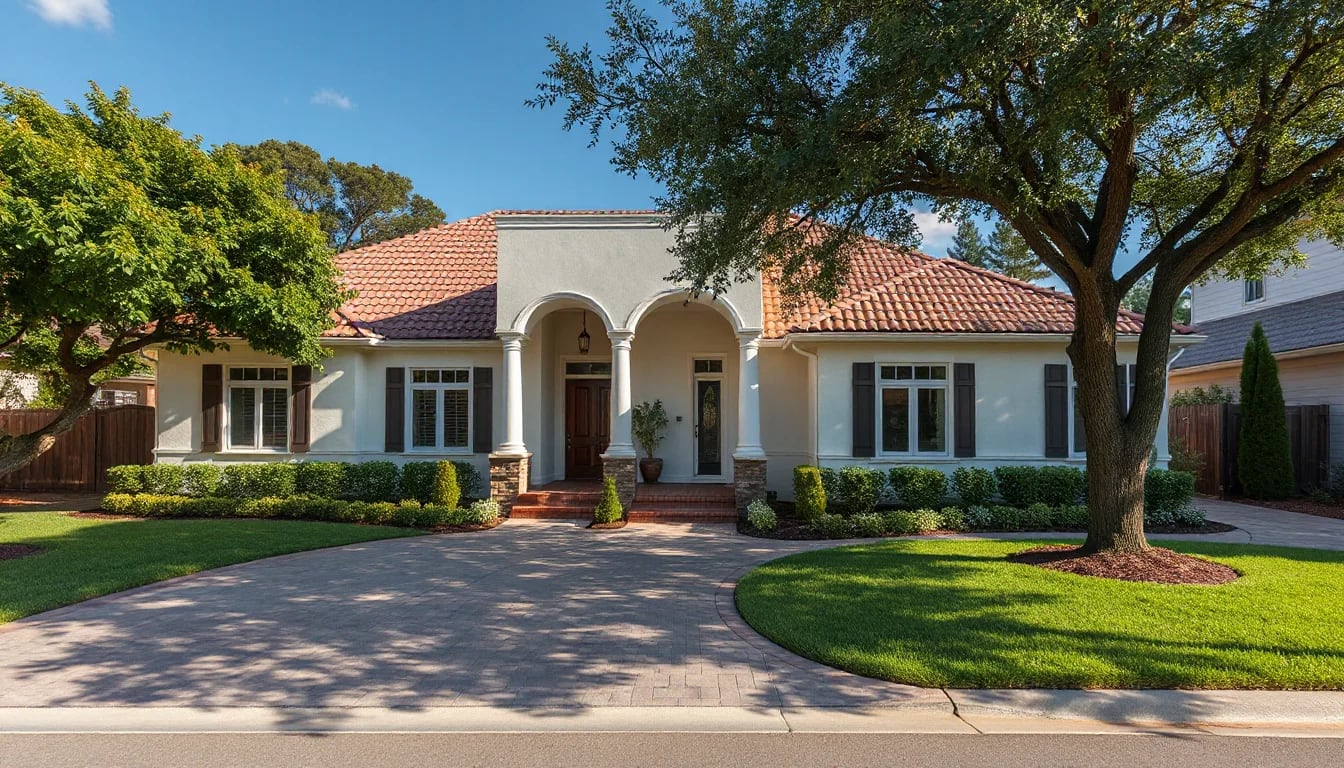
A Malabar home purchase can serve two goals at once: creating a property that may generate rental income and building an asset with resale potential over time. The strongest approach is not chasing a single number; it is choosing a home, budget, and improvement plan that can remain useful through changing market conditions. Here is how to evaluate the opportunity with a practical, property-focused lens.
Start With a Property That Has Options
Buying in Malabar, Florida, can feel different from purchasing in a dense suburban market. Many properties offer more land, varied home styles, and a setting where features such as a functional garage, screened outdoor space, storage, updated systems, and well-maintained grounds can meaningfully influence both day-to-day appeal and future marketability. For a buyer considering rental income, flexibility is often more valuable than chasing a highly specific design trend.
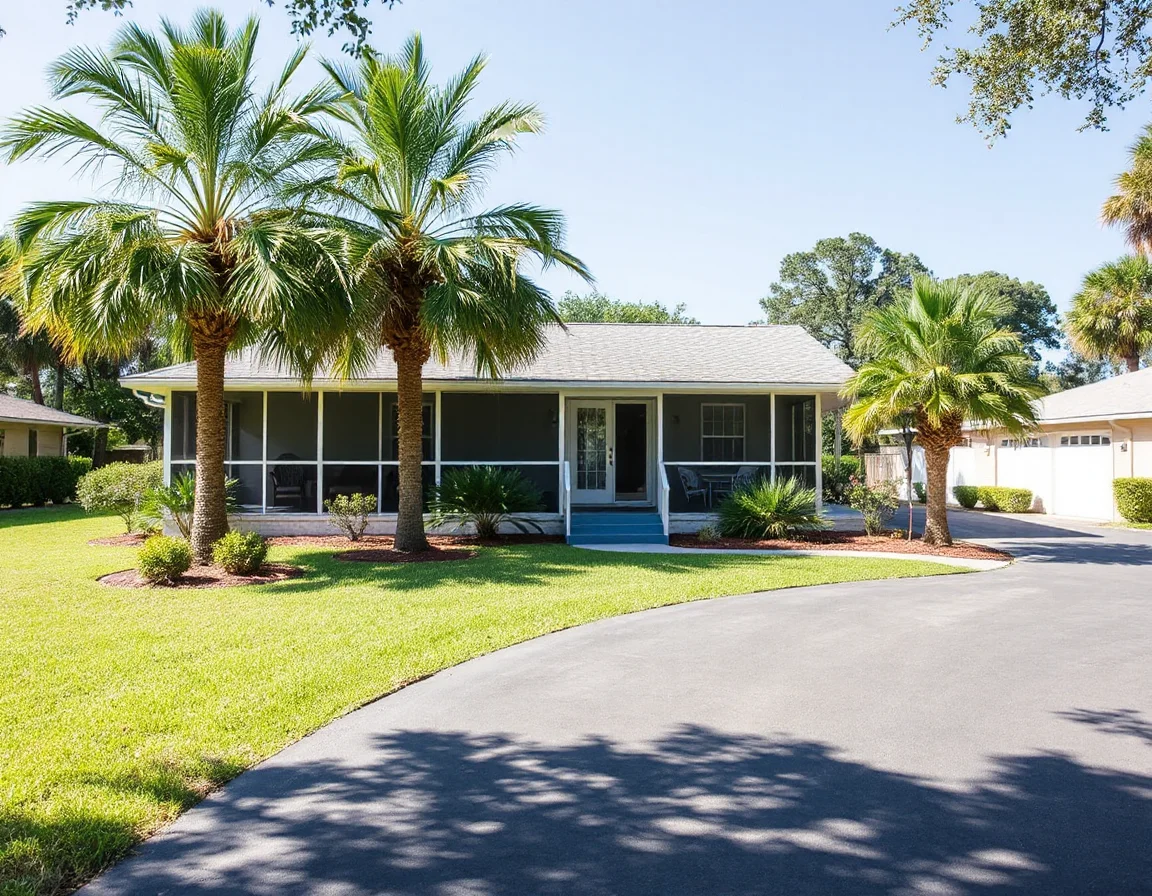
Look first at the fundamentals: location within the area, lot configuration, access, condition, layout, and ongoing carrying costs. A home with an adaptable floor plan may appeal to a wider range of future renters and buyers than one that requires a narrow use case. Separate living areas, usable outdoor space, adequate parking, and room for storage are examples of features that can add practical value without relying on decorative preferences.
Before making an offer, compare the property against nearby rentals and recent sales that are genuinely similar in size, condition, amenities, and setting. Rental listings can help establish an asking-rent range, but they are not a guarantee of achieved rent or occupancy. A careful estimate should account for vacancy periods, leasing costs, insurance, taxes, maintenance, utilities that may remain the owner’s responsibility, and reserves for larger repairs.
A rental projection is most useful when it includes a vacancy allowance and a maintenance reserve from the beginning, rather than treating every month of projected rent as spendable income.
It is also wise to review local and county requirements before assuming any property can be used as a rental in the way you intend. Confirm zoning, deed restrictions, permit requirements, lease-term rules, and any applicable association guidelines. These details can affect timing, operating costs, and the range of rental strategies available after closing.
Calculate Income With a Full Ownership Budget
Gross rent is only the starting point. A sound purchase decision separates the excitement of a possible monthly rent figure from the complete cost of owning the home. Estimate principal and interest, property taxes, homeowners insurance, wind or flood-related coverage where appropriate, routine maintenance, lawn care, pest control, repairs, property management, and capital improvements. Each property will have its own profile, especially where lot size, age, roof condition, septic systems, wells, or outbuildings are involved.
A useful exercise is to prepare three scenarios: conservative, expected, and stress-tested. In the conservative version, use a lower rent estimate, a longer vacancy period, and higher repair costs. In the expected version, use current comparable information and realistic operating assumptions. In the stress-tested version, account for an unexpected repair, insurance increase, or slower leasing period. If the purchase only works under the most optimistic assumptions, the margin may be too thin.
Financing deserves the same discipline. Loan programs, down-payment requirements, interest rates, reserve requirements, and the way lenders evaluate projected rental income can vary. Speak with a qualified lender early so the purchase price, monthly payment, and intended use are aligned before you spend time evaluating homes that do not fit the financing plan.
- Estimate rent from comparable available and recently leased properties.
- Set aside funds for routine repairs and longer-term replacements.
- Review insurance quotes before the inspection period ends.
- Confirm whether utilities, lawn maintenance, or pest service will be owner-paid.
- Keep personal-use plans separate from the property’s operating budget.
For owners who prefer not to handle leasing and maintenance directly, professional property management can simplify the process, but it should be included as a real operating expense. Management may help coordinate marketing, tenant screening consistent with applicable laws, lease administration, maintenance communication, and financial reporting. The right decision depends on the owner’s time, experience, and desired level of involvement.
Explore property management services
Choose Improvements That Support Resale
Rental readiness and resale value do not have to compete. The most durable improvements are usually the ones that improve condition, function, efficiency, and ease of maintenance. In Malabar’s Florida climate, buyers and renters may pay close attention to the roof, HVAC system, windows, drainage, exterior finishes, screened areas, irrigation, and the condition of the landscape. These are often more important than highly personalized cosmetic upgrades.
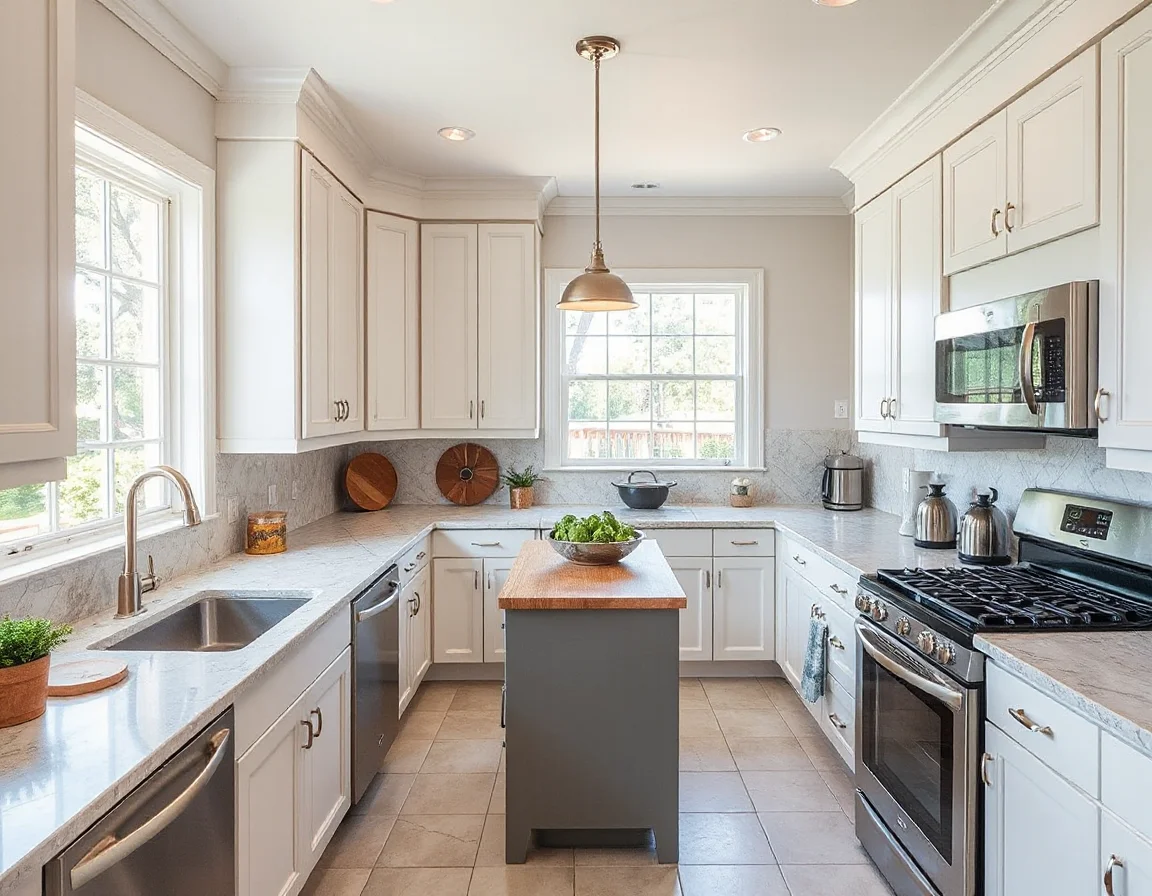
Inside, favor durable materials and a cohesive finish level. Fresh neutral paint, repaired trim, updated lighting, clean grout, functioning fixtures, and dependable appliances can make a home easier to maintain and easier to present when it is time to lease or sell. A kitchen or bath renovation should fit the home’s price range and surrounding market; overspending on finishes that do not match comparable properties may not translate into a proportional return.
Documentation matters as much as the work itself. Save permits, warranties, invoices, service records, inspection reports, and photographs of major repairs. When a future buyer evaluates a property, organized records can make it easier to understand what has been updated and when. For a rental owner, that same file helps with maintenance planning and can reduce uncertainty when a repair is needed.
Outdoor upkeep should not be an afterthought. A tidy approach to landscaping, drainage, exterior lighting, fencing, walkways, and entry areas helps protect the property’s presentation. The goal is not to create a one-of-a-kind look that only suits one taste; it is to maintain a property that feels cared for, functional, and ready for its next chapter.
Plan for a Flexible Exit Strategy
A rental home should be evaluated as both an income-producing property and a future resale asset. Conditions can change: interest rates move, inventory shifts, insurance costs rise, and your own goals evolve. A buyer who preserves flexibility may be better positioned to continue renting, sell when the timing is right, or occupy the home personally later without making a rushed decision.
Pay attention to the features that influence broad market appeal. Well-maintained homes with clear records, practical layouts, good curb appeal, and manageable deferred maintenance tend to be easier to explain to future buyers. If the property includes acreage, accessory structures, a pool, or specialized systems, understand the upkeep involved and make sure those features are reflected appropriately in both rental projections and future marketing expectations.
The best resale plan begins at purchase: know which repairs are urgent, which upgrades are optional, and which expenses should be reserved for rather than postponed.
Market timing is important, but preparation is more controllable. Track your operating results, revisit comparable sales periodically, and update your understanding of the home’s condition. When you can show a history of thoughtful maintenance and clear financial records, you have more information to work with when deciding whether to hold, improve, refinance, or sell.
Make the Purchase Decision With Clear Priorities
Building rental income and resale value through a Malabar home purchase is less about finding a “perfect” property and more about making a measured plan. Define your budget, estimate costs conservatively, inspect the home thoroughly, verify use requirements, and prioritize improvements that protect the asset. With a clear operating strategy and a realistic exit plan, a home purchase can become a more versatile part of your long-term real estate goals.