
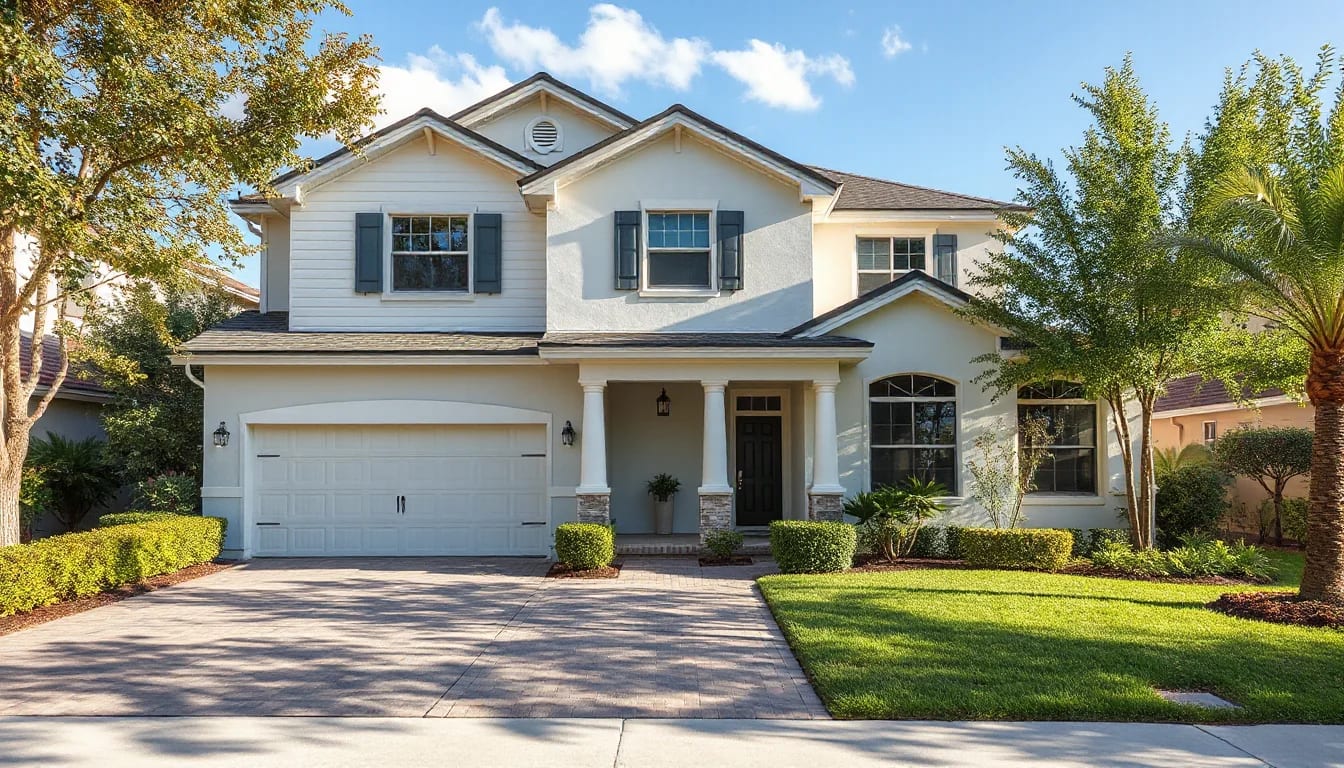
A rental property can look appealing at first glance, but the real decision comes down to math, maintenance, financing, and local demand. Before buying in Cocoa, it helps to estimate income conservatively, account for expenses fully, and compare several return measurements instead of relying on one headline number. A disciplined ROI review can help you spot opportunities, avoid expensive surprises, and choose a property that fits your goals.
Start With Income, Not Just the Asking Price
Many buyers begin by focusing on list price, but rental performance starts with realistic income potential. In Cocoa, that means looking at current lease rates for similar homes, condos, or small multifamily properties in the immediate area rather than pulling a broad countywide average. A two-bedroom home near major roads, river access points, or established commercial corridors may perform differently than a similar-sized property in another part of town, so the comparison set matters.
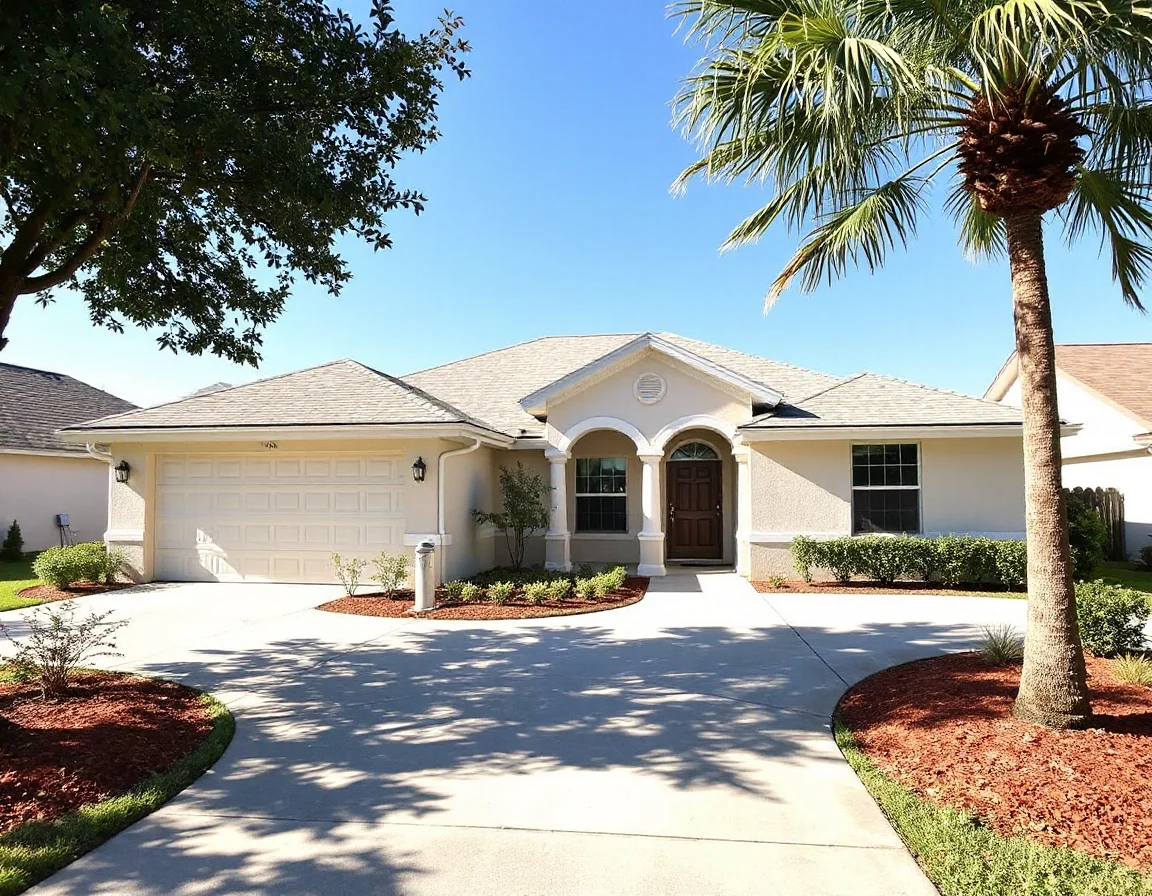
A useful first step is to estimate gross scheduled rent, which is the monthly rent you believe the property can achieve when occupied. From there, pressure-test that number. If recent comparable rentals suggest a range of $1,900 to $2,150 per month, underwrite closer to the middle or lower end unless the property clearly offers updated finishes, newer systems, extra parking, or another measurable advantage. Overestimating rent by even a small amount can make a weak deal appear stronger than it is.
It also helps to think about vacancy before you own the property. Even in a steady market, a rental may sit empty between tenants, need cleaning or repairs, or require a price adjustment before it leases. Building a vacancy factor into your analysis creates a more dependable ROI estimate than assuming twelve full months of uninterrupted rent every year.
A property that only works financially at peak rent and zero vacancy is usually too thin to count on. Conservative assumptions tend to produce better long-term decisions.
Calculate Operating Costs With More Detail Than You Think You Need
After income, expenses determine whether a purchase performs well or becomes a constant drain on cash flow. New investors often include taxes and insurance but miss the many smaller costs that affect annual return. In Cocoa, a thorough operating budget should include property taxes, hazard insurance, possible flood-related insurance considerations depending on location, routine maintenance, lawn care if owner-paid, pest control, accounting, leasing costs, and a reserve for repairs.
Older homes deserve especially careful review. A property may show well during a tour while still carrying future costs tied to roof age, HVAC replacement, plumbing updates, windows, or electrical improvements. Those items do not appear in a simple online ROI calculator, but they have a direct effect on your actual return. If a home needs major work in the first two years, your cash-on-cash performance can change quickly.
Professional management is another line item worth pricing in, even if you plan to self-manage at first. Management fees, lease-up fees, and renewal fees vary, but adding them to your underwriting gives you a more realistic picture of what the investment looks like if you eventually want less day-to-day involvement. A deal that only works when you contribute unpaid labor may not meet your long-term objectives.
Review property management options
One practical way to stay organized is to separate fixed expenses from variable expenses. Fixed costs include taxes, insurance, and HOA dues if applicable. Variable costs include turnover work, repairs, maintenance, and vacancy. That distinction helps you see which expenses are unavoidable and which ones may rise or fall depending on property condition and tenant turnover.
Use More Than One ROI Metric Before You Decide
A single percentage rarely tells the whole story. Buyers evaluating rental property in Cocoa should look at at least three measures: cap rate, cash flow, and cash-on-cash return. Each one answers a different question, and together they create a clearer picture of performance.
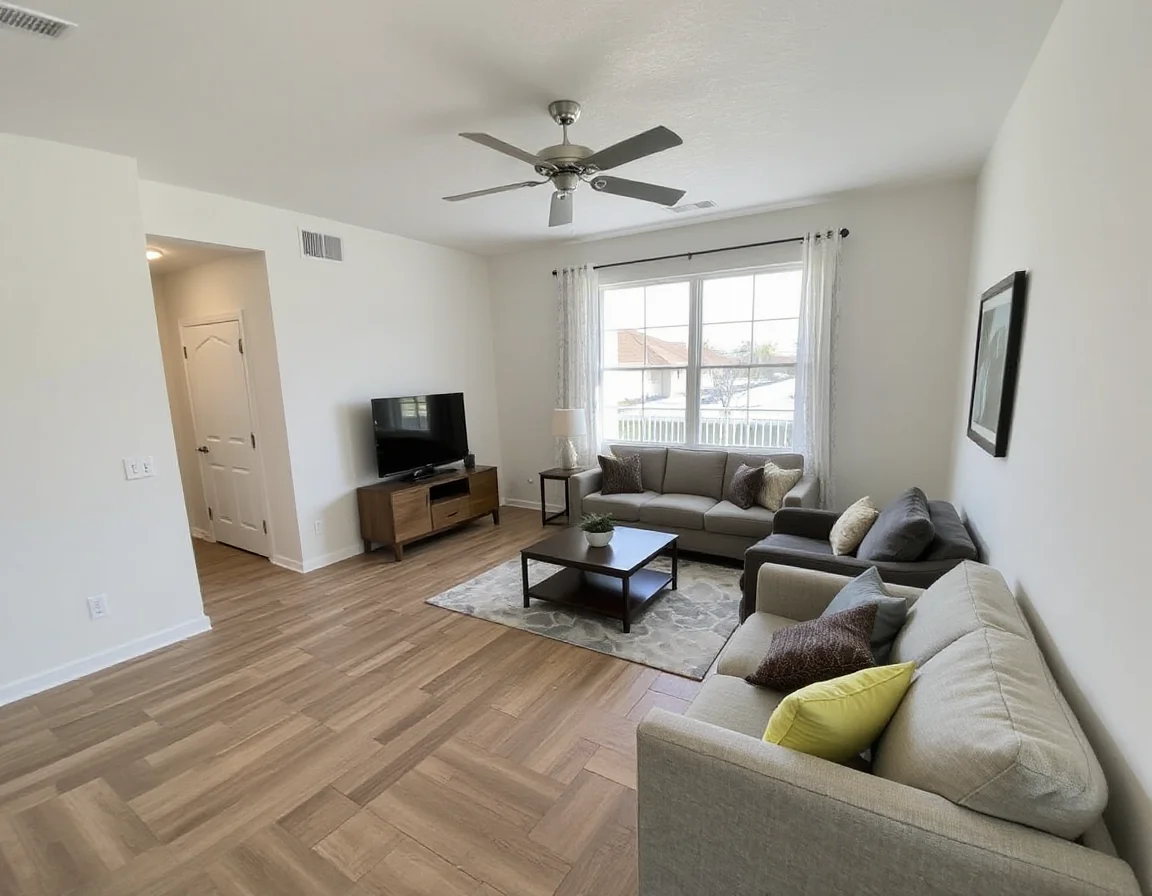
Cap rate compares net operating income to purchase price. It is useful for comparing one property to another before financing enters the picture. Cash flow shows what may remain each month after operating expenses and debt service. Cash-on-cash return looks at your annual pre-tax cash flow relative to the actual cash you invested, including down payment and closing costs. That last number can be especially important if you are financing the purchase and want to understand how hard your invested cash is working.
For example, two properties with similar prices might produce very different results. One may offer a higher cap rate but need immediate repairs. Another may have a slightly lower cap rate but stronger condition, lower turnover risk, and fewer near-term capital costs. Looking at the property from multiple angles helps you avoid getting anchored to one attractive figure.
Appreciation potential also belongs in the conversation, but it should not be the only reason to buy. Market growth can improve total return over time, yet reliable underwriting should still make sense based on current rents, expenses, and financing terms. If appreciation happens, that is a bonus; if it does not, the investment should still stand on its own.
Cap rate helps compare deals, but cash-on-cash return often matters more when financing, closing costs, and repair budgets differ from one property to the next.
Study the Micro-Location and the Leaseability of the Property
Even within the same city, lease demand can vary by block, road access, property type, and condition. When reviewing a Cocoa investment, look at the practical features that influence how easily the home may lease: parking, layout, storage, yard upkeep, proximity to daily services, and the overall convenience of the location. Tenants usually compare options quickly, so functionality matters just as much as square footage.
It is also smart to evaluate the property through a turnover lens. Ask yourself how expensive it will be to prepare the home between tenants. Durable flooring, updated kitchens and baths, easy-maintenance landscaping, and newer mechanical systems can reduce downtime and repair costs. A property that is simple to maintain may outperform a more visually dramatic home that requires constant upkeep.
If the home is in a community with association rules, review them early. HOA fees, rental restrictions, approval requirements, and maintenance obligations can all affect return and operating flexibility. The same goes for flood zone details, insurance quotes, and inspection findings. None of these items are secondary; they are central to the investment decision.
Build in a Margin for Repairs, Financing Changes, and Timing
Successful investors usually plan for what can go wrong before they plan for best-case results. Interest rates can change, insurance costs can rise, and an inspection may uncover deferred maintenance that alters the renovation budget. A property that still works after those adjustments is usually a stronger candidate than one that becomes unworkable with even a modest change in assumptions.

One straightforward stress test is to model the deal three ways: expected case, cautious case, and improved case. In the cautious version, lower the projected rent slightly, add more vacancy, and increase repairs or insurance. If the numbers still support your goals, you have more room to move confidently. If the return disappears immediately, it may be better to keep looking.
Timing matters too. If a property needs work before it can lease, include not only renovation costs but also the carrying costs during that period. Mortgage payments, utilities, and insurance still continue while the property is being prepared. Buyers sometimes underestimate this early phase, which can distort ROI if ignored.
In the end, evaluating rental property ROI in Cocoa is about pairing local knowledge with disciplined underwriting. The strongest purchase is rarely the one with the flashiest headline number; it is the one that holds up under careful review of rent, expenses, condition, financing, and day-to-day practicality. When you analyze each property this way, you give yourself a better chance of buying an asset that performs well not just on paper, but over time.