

Cocoa Beach offers more than a postcard shoreline. Its boardwalk access points, dining clusters, and varied housing pockets create a city where buyers can compare oceanfront condos, canal-front properties, and neighborhoods set a little farther inland with a different pace and price point. This guide breaks down how those pieces fit together so you can evaluate the market with a clearer sense of what daily life and home options may look like block by block.
How Cocoa Beach layout shapes the home search
Stretching between the Atlantic Ocean and the Banana River, this barrier island city has a geography that matters in a practical way. A short drive can change the feel of the surroundings from ocean-view condo corridors to quieter residential streets near canal systems, marinas, and neighborhood parks. For buyers, that means the search often comes down to access: beach crossovers, proximity to dining and gathering areas, water views, building amenities, storm-prep considerations, and whether a home is part of a condominium community or a detached residential setting.

One of the most recognizable features of the area is its network of beach access points and boardwalk-style walkovers. These paths do more than connect sand to street parking; they influence how convenient a property feels on an ordinary weekday. A home a few blocks from the coast may still offer easy beach access if the nearest crossover is straightforward, while an oceanfront building may trade private views for heavier seasonal traffic patterns nearby. Looking beyond the map pin and studying how each neighborhood connects to the shoreline can reveal a lot about long-term livability.
Dining also acts like a neighborhood signal. Areas near active commercial corridors tend to offer a more energetic street rhythm, especially around lunch, sunset, and weekends. Other pockets are more residential in feel, with local parks, canals, and side streets shaping the environment. Neither is inherently better; the decision usually depends on whether a buyer values walkable convenience, water access, or a little more separation from the busiest nodes.
In Cocoa Beach, being “close to the beach” can mean very different things. The most useful comparison is not just distance to the ocean, but how direct the walk or drive is to a practical beach access point.
Boardwalks, public access, and everyday convenience
Beach access in Cocoa Beach is one of the city’s defining lifestyle features, and it has real housing implications. Properties near well-used access points often benefit from convenience and visibility, while homes on smaller interior streets may feel more tucked away even when they remain only minutes from the sand. For condo buyers, this can affect both the daily routine and the resale conversation: nearby access, parking patterns, and pedestrian flow are all details worth noticing during a tour.
Public walkovers and coastal access routes also shape how residents use the area across the year. Morning walks, surf conditions, ocean views, and evening shoreline visits become easier when the route is simple and familiar. Buyers comparing neighborhoods should pay attention to the difference between being adjacent to a major access corridor and being near a less-trafficked crossover. The first may come with stronger activity levels, while the second may deliver a quieter rhythm without giving up convenience.
On the river side of the city, boardwalk culture gives way to docks, canals, and boating-oriented pockets. These areas can offer a completely different residential experience even though they sit within the same small coastal footprint. That contrast is part of what makes Cocoa Beach interesting from a real estate perspective: the city supports multiple lifestyle patterns within a compact geography.
Dining clusters and the feel of different blocks
Food and gathering spots help define how certain stretches of Cocoa Beach feel at different times of day. Near established commercial areas, you may find a more active mix of local traffic, visitors, and evening movement. That can appeal to buyers who want easy access to coffee, casual dining, or a quick stop after the beach. It can also mean a different parking pattern, more lighting, and a busier streetscape than what you would see deeper inside a residential pocket.

By contrast, streets farther from the better-known dining corridors often feel more residential and less transitional. Buyers who want to minimize through-traffic may gravitate toward these blocks, especially when they still provide reasonable access to the ocean, river, or neighborhood amenities. In practical terms, a showing schedule should include both daytime and early evening visits when possible, because the personality of a block can shift noticeably once beachgoers clear out and local routines take over.
Dining proximity can also influence condo demand. Buildings within easy reach of popular gathering areas may attract steady interest from buyers seeking a lock-and-leave property or a residence with strong convenience factors. Detached homes in calmer pockets may appeal for different reasons, including yard space, boating access, or a little more distance from the most active stretches of town. The key is to connect the housing type with the daily pattern you actually want, rather than assuming all Cocoa Beach neighborhoods function the same way.
A short evening drive through your target area can reveal traffic flow, lighting, and parking conditions that are easy to miss during a mid-morning showing.
Housing insights by neighborhood type
Cocoa Beach housing tends to fall into a few broad categories, each with its own tradeoffs. Oceanfront and near-ocean condos often center on views, building amenities, and direct beach proximity. Buyers evaluating these properties usually need to look carefully at association fees, reserve funding, structural maintenance, rental policies, and how updates compare from one building to another. Two condos with similar square footage can feel far apart in value once those details are reviewed.
Canal-front and river-adjacent homes introduce another set of considerations. Dockage, seawall condition, bridge clearance where relevant, and exposure to weather events may all matter. These properties can be especially attractive for buyers focused on boating access or water-oriented outdoor space, but the due diligence list is different from what you would use for a mid-island home or a condo near the coast.
Interior residential pockets, including neighborhoods a little farther from the busiest corridors, may offer more variation in lot size, renovation history, and street character. Some buyers find that these areas create a useful balance between access to the beach and a more distinctly residential setting. In many cases, they also open up options beyond the condo market, which can be helpful if you want private outdoor space or fewer shared building considerations.
Across all of these neighborhood types, insurance, age of construction, roof condition, and storm-related resilience should be part of the conversation. Coastal real estate rewards buyers who compare not just list price, but the full cost and function of ownership.
What buyers should watch in the local market
In a place like Cocoa Beach, inventory can move differently by property type. Updated condos with strong views may attract quick attention, while homes needing modernization may stay on the market longer and create room for negotiation. Smaller geographic differences matter too. A block with direct beach crossover access, a canal frontage, or a more convenient position near major thoroughfares may command a different response than another street that looks similar online.
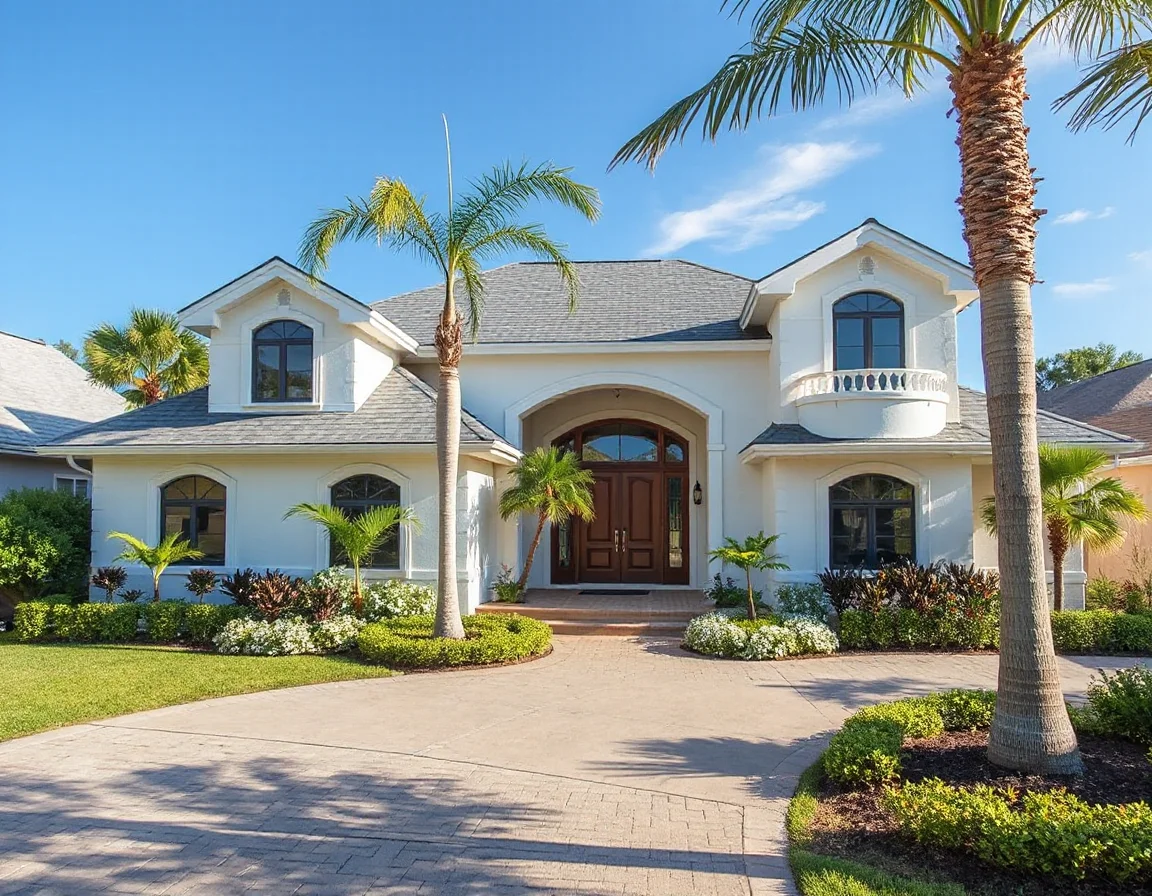
It is also smart to compare active listings with recent closed sales by micro-location, not just citywide averages. A river-side home, an interior single-family property, and an oceanfront condo may all be in Cocoa Beach, but they do not necessarily share the same pricing drivers. Buyers who narrow the comparison set usually gain a clearer picture of what represents good value.
For anyone relocating or making a second-home purchase, the most effective approach is to pair market data with in-person observation. Walk a beach access route, drive the evening dining corridors, look at parking and traffic patterns, and compare the feel of the ocean side versus the river side. The city is compact, but the experience of living in one pocket versus another can be meaningfully different.
That is what makes Cocoa Beach compelling. Within a relatively small coastal area, you can find boardwalk access, dining convenience, boating-oriented streets, condo towers, and residential enclaves that each create a distinct version of everyday life. A careful neighborhood-by-neighborhood search turns those differences from guesswork into strategy.