

Cape Canaveral combines Atlantic shoreline access, an active maritime setting near Port Canaveral, and residential streets with a distinctly coastal rhythm. Whether you are comparing homes, planning a visit, or simply learning the area, it helps to look beyond the beach and understand how access, views, building details, and daily conveniences shape each pocket of this barrier-island community.
A Coastline That Shapes the Day
In Cape Canaveral, the Atlantic is more than a backdrop. Beach access points, ocean breezes, dune landscapes, and changing light are part of the everyday setting. The city sits north of Cocoa Beach on Brevard County’s barrier island, where residents and visitors can enjoy public shoreline areas, watch sea conditions change with the seasons, and take in the open horizon that defines Florida’s Space Coast.

Beach time here can be as simple as a sunrise walk, an afternoon with a chair and a book, or an evening spent listening to the surf from a public crossover. Conditions vary throughout the year, so it is wise to check local advisories, tides, parking availability, and posted beach rules before heading out. Those practical details matter just as much as the view when evaluating how a coastal location fits into a regular routine.
The coastline also influences the homes nearby. Some properties may offer ocean views, while others are positioned a few blocks inland with a different balance of privacy, wind exposure, maintenance needs, and price considerations. Buyers often find that two homes with similar square footage can feel very different based on balcony orientation, floor level, building age, proximity to the beach, and the route from the front door to the sand.
When comparing coastal homes, ask for more than a view: confirm parking, storage, association rules, exterior maintenance responsibilities, and the property’s current flood-insurance considerations.
Jetty Park and the area around the port add another dimension to the shoreline experience. The park is known for its beach access, fishing pier, campground, and views toward maritime traffic, although access procedures and hours can change. It is an appealing reminder that Cape Canaveral’s waterfront is active as well as scenic: cargo vessels, cruise ships, recreational boats, and space-related activity all contribute to the area’s visual character.
Port Canaveral Access and Everyday Connections
Port Canaveral is one of the most recognizable features of the area. Its cruise terminals, marine operations, nearby hospitality services, and waterfront recreation create a setting that can feel energetic without requiring a long drive. For homeowners, that proximity may be convenient for embarkation days, dining options along the harbor, charter activities, and simply watching ships move through the channel.
Travel patterns deserve careful attention when exploring homes near the port. Cruise schedules, special events, construction activity, and seasonal tourism can affect traffic on certain corridors. A useful home-search habit is to visit a property at more than one time of day, then drive the routes that matter most to you—toward the beach, groceries, medical services, employment centers, and mainland connections.
State Road A1A serves as a major north-south route through the barrier-island communities, while nearby causeways provide links to Merritt Island, Cocoa, and the broader Brevard County mainland. Orlando-area destinations are also reachable by highway, though actual drive times depend on the day, time, weather, and destination. Looking at the map is a good start; experiencing the route firsthand offers a more realistic picture of the daily rhythm.
Explore Cape Canaveral area details
What “Near the Port” Can Mean for a Property Search
Location descriptions can cover a wide range. A home near Port Canaveral may be within a short drive of terminals, close enough to see passing vessels, or simply positioned for convenient access to port-area roads. Instead of relying on broad labels, request the exact address, review aerial imagery, and note the direction of nearby travel routes. That approach helps clarify potential sound patterns, views, parking considerations, and the practical distance to the ocean.
Condominiums are a significant part of the Cape Canaveral housing landscape, alongside townhomes, single-family residences, and smaller multifamily properties. Association documents are especially important for a condo or townhome purchase. Buyers should review budgets, reserves, rental policies, pet policies, maintenance scopes, special-assessment history, insurance information, and any pending work before making a final decision.
Neighborhood Details Worth Comparing
Cape Canaveral neighborhoods are often best understood block by block. One street may be close to beach crossovers and low-rise buildings, while another may have canal or river-side access nearby, mature landscaping, or a different mix of housing styles. The city’s compact footprint makes many amenities accessible, but the features that matter most can vary widely from one property to the next.
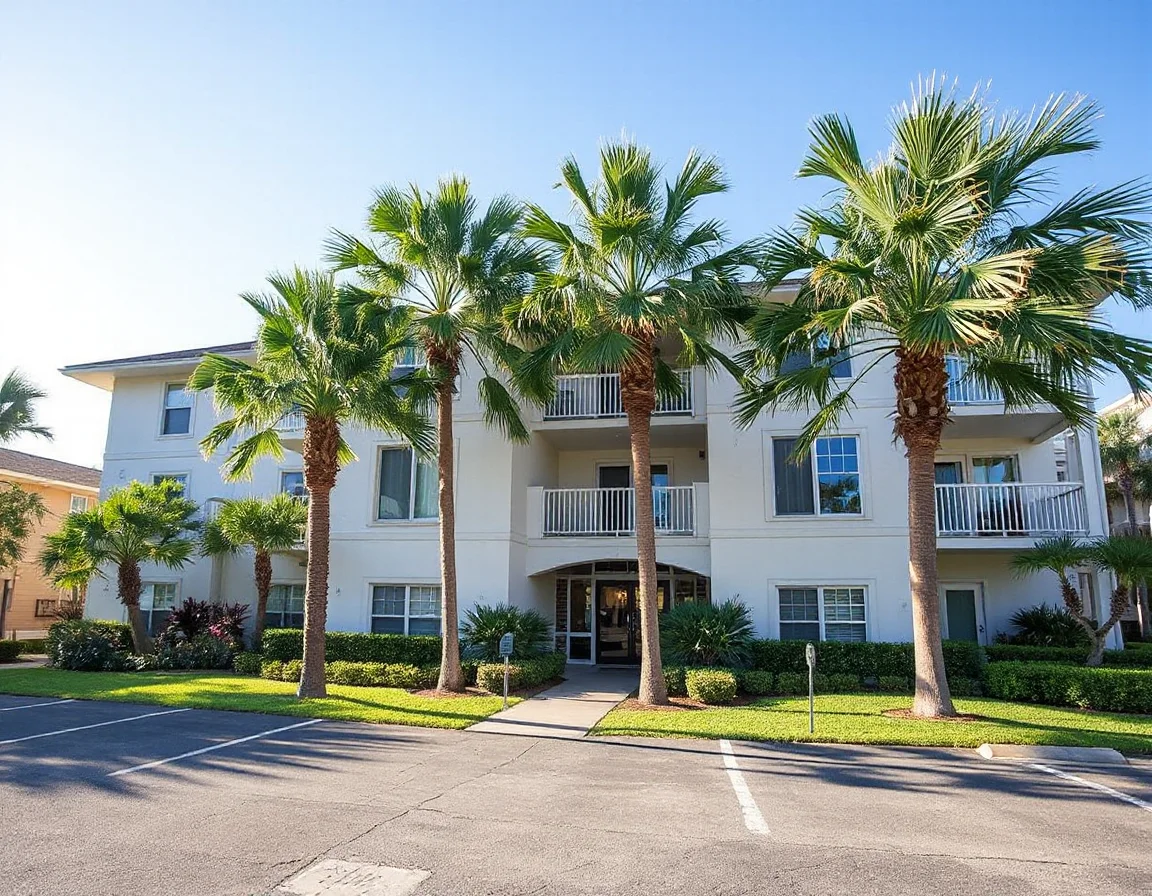
Start with the physical setting. Is the home oceanfront, oceanside, river-adjacent, or inland? Does it have a screened outdoor area, storm shutters, impact-rated openings, assigned parking, elevator access, or ground-level storage? In a coastal climate, these features can influence comfort, upkeep, insurance questions, and long-term planning. A careful inspection should consider roof age, exterior finishes, HVAC condition, drainage, balconies, windows, and any signs of salt-air wear.
Then consider the surrounding amenities. The area offers shoreline recreation, parks, marina activity, fishing opportunities, launch-viewing locations, and nearby dining and gathering spaces. Recreation options can include paddling in protected waters, surf-related activities when conditions allow, cycling along local roads, and walks through beachside parks. Availability, operating hours, and access rules can change, so checking current local information is always worthwhile.
For buyers comparing resale homes with condominiums, monthly expenses should be viewed as a complete picture rather than a single number. A condominium fee may cover services such as exterior maintenance, landscaping, common-area insurance, water, trash collection, or reserves, but each association is different. A lower purchase price paired with higher ongoing costs may compare differently from a home with more individual maintenance responsibility.
A showing is the right time to notice the details that listing photos cannot reveal: elevator wait times, parking layout, balcony exposure, nearby roadway activity, and the condition of shared exterior spaces.
A Practical Way to Explore Available Homes
A thoughtful Cape Canaveral search begins with priorities that can be measured. Make a list of preferred property type, budget range, number of bedrooms and bathrooms, parking needs, outdoor space, association preferences, and desired access to the beach or port. From there, compare active listings using the same criteria rather than being swayed by one attractive feature or a single dramatic photograph.
It is also helpful to plan an in-person visit around the actual lifestyle you want to evaluate. Walk from the property to the nearest public beach access. Check where groceries, pharmacies, parks, and services are located. Observe the building and block during daylight and again later in the day if possible. These small steps can turn a broad location preference into a confident, property-specific decision.
Search Cape Canaveral listings
Cape Canaveral offers a distinctive blend of coastal scenery, maritime energy, and varied residential options within a relatively compact area. The strongest match is rarely defined by one feature alone. By balancing beach access, building condition, association details, transportation routes, and the feel of the immediate block, home buyers can focus their search on properties that work well for both the present and the years ahead.