

Flood zones are an important part of evaluating a Satellite Beach home, but they are only one piece of the ownership-cost picture. Before making an offer, buyers should review the property’s flood designation, elevation information, prior insurance history, and the coverage choices available for that specific address. A little due diligence early can make financing, insurance, and long-term planning feel much more predictable.
Why Flood Zones Matter in Satellite Beach
Living near the Atlantic Ocean, the Indian River Lagoon, canals, and other coastal waterways gives Satellite Beach a distinctive setting—and it also makes flood planning a practical part of buying real estate here. Flood zones are mapped by the Federal Emergency Management Agency (FEMA) to show areas with varying levels of flood risk. A home’s zone can influence whether a lender requires flood insurance, what documentation an insurer requests, and how a buyer should budget for annual ownership expenses.
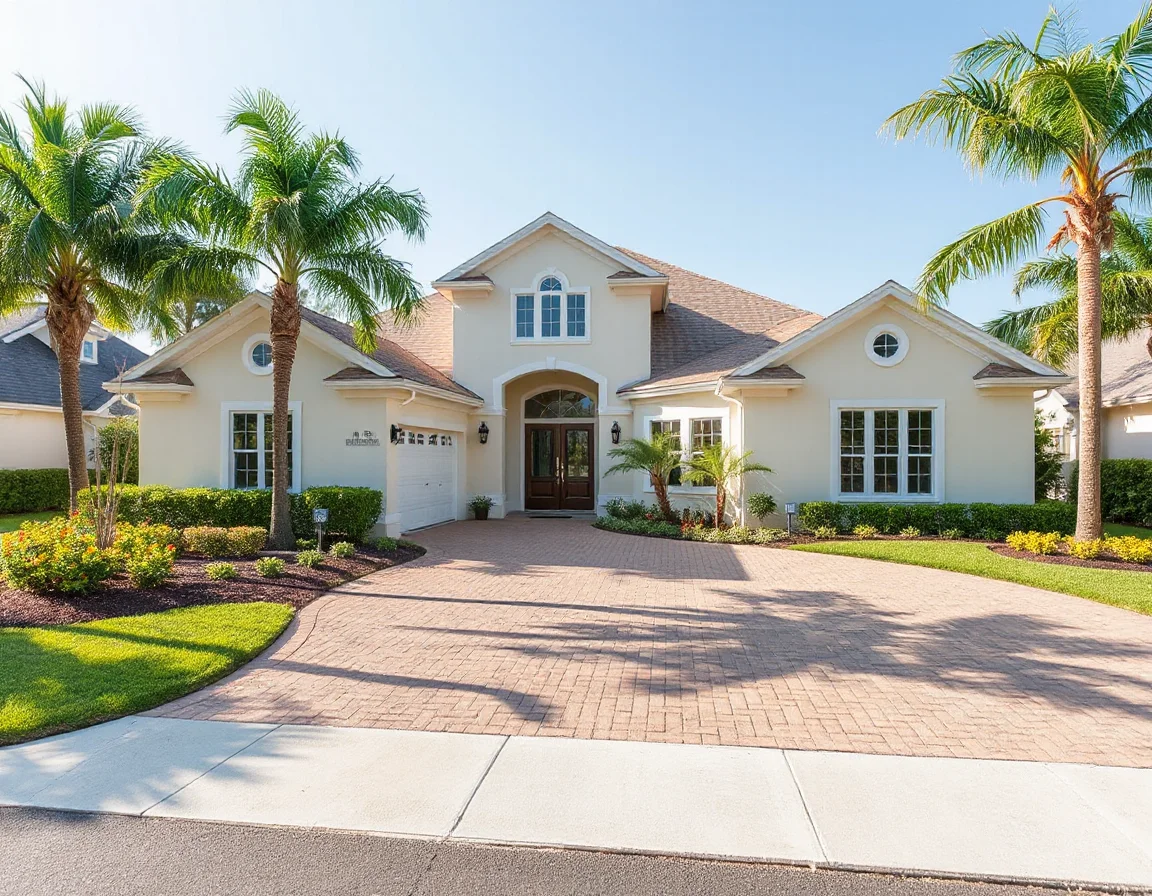
It is important to separate a flood-zone designation from a prediction that a property will flood. FEMA maps are tools for measuring risk and setting insurance requirements; they do not describe the full condition of a particular home. Two nearby properties may have different designations because of their map location, elevation, construction details, or map boundaries. A current map review should always be paired with property-specific records and professional guidance.
Buyers may encounter zones identified by letters such as A, AE, VE, X, or shaded X. In broad terms, homes in Special Flood Hazard Areas—often zones beginning with A or V—may require flood insurance when the buyer uses a mortgage from a federally regulated or insured lender. V and VE zones are generally associated with coastal flood hazards and wave action, while A and AE zones commonly indicate areas subject to inundation during a mapped base flood. X and shaded X zones can indicate lower mapped risk, but lower mapped risk does not mean no risk or no possible insurance benefit.
A lender’s flood-insurance requirement is tied to the address, loan type, and current FEMA mapping—not simply to how close a home appears to the water on a map.
When comparing homes, ask for the flood-zone designation early in the process and confirm it through the appropriate FEMA and local resources. If a listing includes an elevation certificate, that document can be especially useful. It may show the building’s elevation in relation to the Base Flood Elevation, along with details about the structure that can affect insurance rating. Older certificates may still provide context, but buyers should confirm whether the information is current and accepted by the insurer they choose.
What Can Affect Flood Insurance Costs
There is no single “Satellite Beach flood insurance price.” Premiums are calculated for a particular property and can change with insurance rules, coverage selections, deductible choices, rebuilding estimates, and the home’s physical characteristics. The National Flood Insurance Program (NFIP) is one option many buyers explore, while private flood insurance may also be available for qualifying properties. Comparing options can help buyers understand both coverage and cost before their inspection period ends.
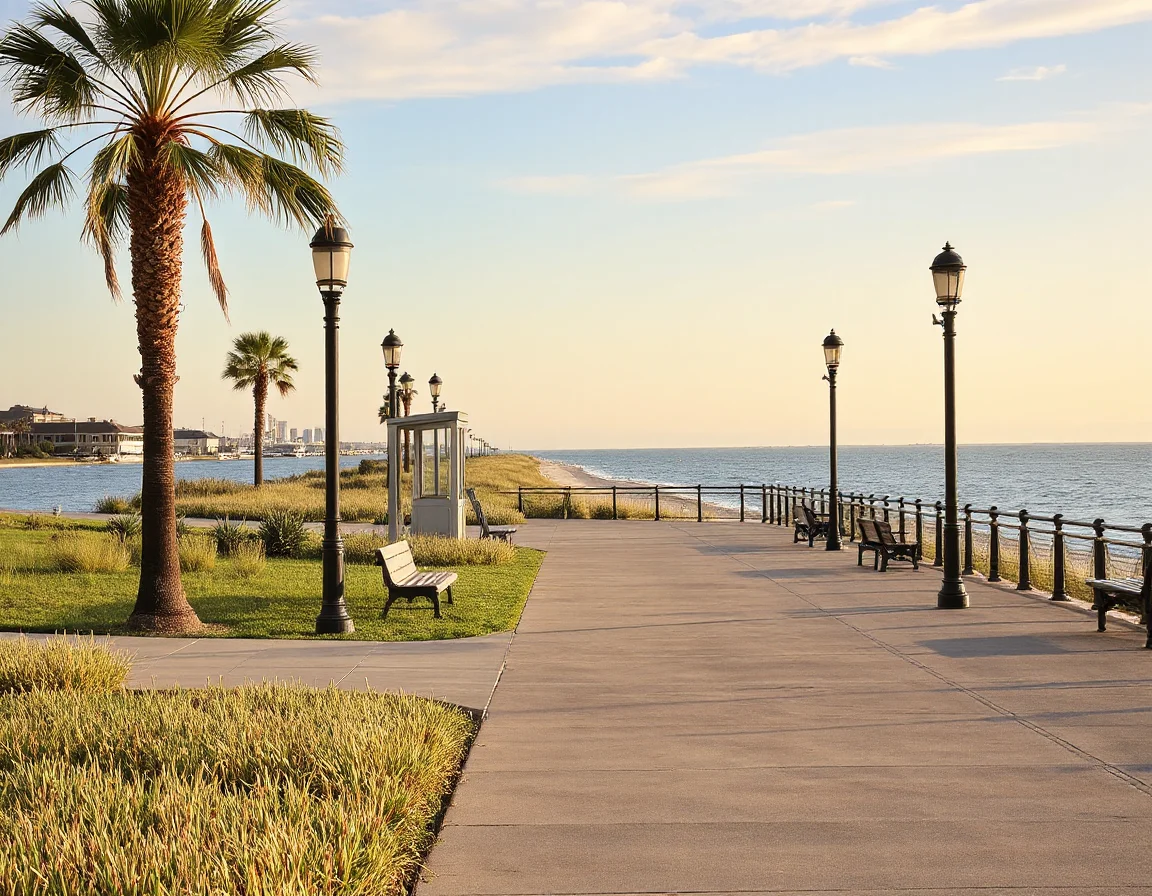
For many policies, insurers look beyond the zone label. Relevant details can include the first-floor elevation, foundation type, enclosure or garage configuration, flood openings, building replacement cost, prior claims, and the amount and type of coverage selected. Coastal construction methods, roof and mechanical-system placement, and updates made after the home was built may also matter. Because these variables are property-specific, a quick quote based only on a street address should be treated as an estimate rather than a final figure.
Coverage deserves as much attention as the premium. Standard flood policies may have limits and exclusions that differ from a homeowners policy, and homeowners insurance typically does not cover flood damage. Ask an insurance professional to explain coverage for the building, personal property, temporary living expenses, deductibles, detached structures, improvements, and basement or enclosed-area contents where applicable. Buyers considering a condominium should also review the association’s master policy and clarify which parts of the building and unit are covered.
Insurance quotes should be obtained as soon as a buyer is seriously considering a property, not after the final loan approval. This is particularly helpful when a financing contingency, appraisal timeline, or closing date is involved. Your lender will need to confirm that the chosen policy meets loan requirements, and some private policies may need review before they are accepted. Allowing time for those steps can prevent last-minute surprises.
Search Satellite Beach listings
A Practical Due-Diligence Checklist
A thoughtful offer strategy includes gathering flood and insurance information alongside the usual inspection, title, and financing tasks. Start by asking the listing agent or seller for any available elevation certificate, prior flood-insurance declarations page, permit records for substantial improvements, and documentation of repairs following water events. These records may not answer every question, but they can help your insurance professional form a more complete picture.
Next, request quotes from qualified insurance providers using the most accurate property details available. Be consistent when comparing quotes: use the same building coverage limit, personal-property amount, deductible, and effective date where possible. If one quote is substantially different from another, ask what assumption is driving the difference. The explanation may involve elevation data, underwriting eligibility, replacement-cost calculations, or the policy form itself.
- Confirm the current FEMA flood-zone designation for the specific parcel.
- Ask whether the lender will require flood insurance for the loan.
- Review available elevation certificates and verify the details with an insurer.
- Compare NFIP and private-policy options, including coverage limits and deductibles.
- Ask about prior flood claims, repairs, permits, and mitigation improvements.
- Budget for the first-year premium as well as future policy renewals.
Buyers should also consider how flood risk fits into the home’s overall maintenance plan. Routine roof care, drainage improvements, window and door maintenance, landscaping choices, and properly maintained exterior systems can all support a property’s resilience. For homes with ground-level storage, garages, or enclosed spaces, it is useful to understand which items are appropriate to keep there and which may be better protected elsewhere.
Putting the Information to Work
Flood-zone research is most valuable when it helps you compare homes with clarity rather than rule out an address based on a single label. A property in a higher-risk zone may have an elevation certificate, mitigation features, or insurance options that make its costs understandable. Conversely, a home in a lower-risk zone may still benefit from voluntary coverage and careful storm preparation. The goal is to make a well-documented decision based on the property, financing terms, insurance quotes, and your own comfort with the costs of ownership.
Satellite Beach buyers who build flood and insurance review into their early search process are better positioned to move forward with confidence. Bring questions to your lender, insurance professional, inspector, and real estate agent, and keep each answer in writing when possible. With the right information gathered before the contract deadlines, you can focus on the home’s features, location, and long-term value with a clearer understanding of the responsibilities that come with coastal ownership.