

Merritt Island buyers and sellers are navigating a market where the number of available homes, condition, location, and pricing strategy all matter more than a single headline number. Buyers can use added choice to compare carefully, while sellers can stand out by pairing realistic pricing with polished preparation. The most useful next step is to look at current competing listings and recently closed homes in the property’s specific segment.
A Market Shift Is More Than a Price Change
When people hear that inventory is rising or prices are adjusting, it is tempting to treat the news as a simple win for one side and a loss for the other. In practice, Merritt Island real estate is more detailed than that. A change in available listings can affect how long buyers take to decide, how much negotiating room may exist, and how carefully sellers need to position a home. Price movement also varies by property type, waterfront access, condition, lot characteristics, age, and the amenities that are available nearby.
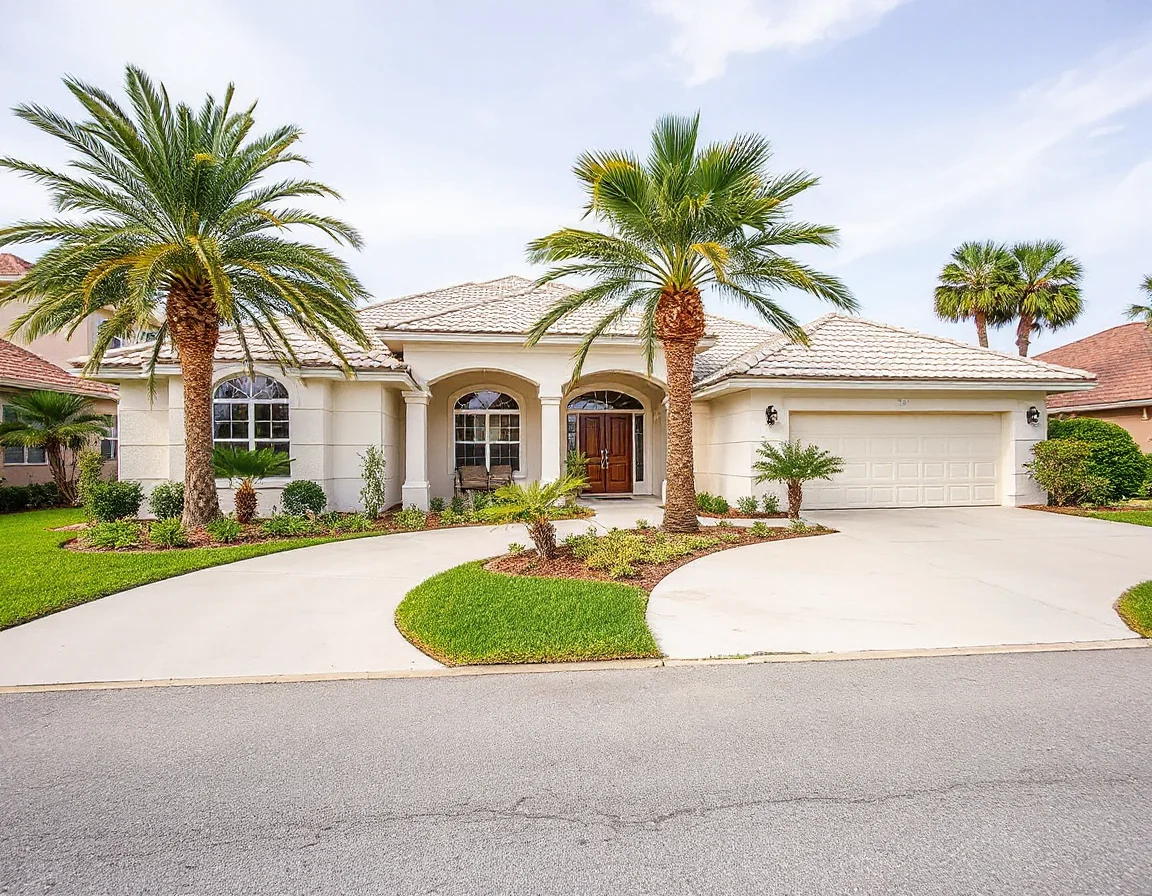
Inventory simply means the homes currently offered for sale. When there are more options, buyers can compare layouts, renovation levels, insurance considerations, outdoor spaces, and proximity to waterways or major routes without feeling compelled to make every decision immediately. That does not mean every listing becomes negotiable. Homes that are accurately priced, well maintained, and easy to evaluate can still draw strong attention, particularly when a buyer has been watching for a specific style or location.
For sellers, a fuller selection of homes means the competition is visible. Buyers can open several listing tabs in minutes, so presentation and pricing need to work together. A home that looks appealing online but feels very different in person may lose momentum quickly. Conversely, a property with clear photography, thorough maintenance, tidy outdoor areas, and a price supported by comparable sales gives buyers a more confident starting point.
The most relevant “inventory” number is not the countywide total—it is the number of active alternatives a buyer can reasonably compare with a particular Merritt Island home.
Merritt Island’s geography adds another layer to the conversation. Homes near the Indian River Lagoon, Banana River, canals, marinas, parks, or causeways can attract attention for reasons that do not apply to every inland listing. Buyers should compare similar settings rather than assuming a broad market statistic explains the value of every property. Sellers benefit from identifying the features that make their home comparable to some listings and distinct from others.
What Buyers Can Do With More Choice
A market with shifting inventory can give buyers time to become more deliberate. Instead of focusing only on the asking price, review the full ownership picture: age and condition of the roof, HVAC system, plumbing, electrical updates, windows, drainage, flood-zone information, homeowners association documents when applicable, and likely insurance costs. These details can influence the monthly budget as much as the purchase price.
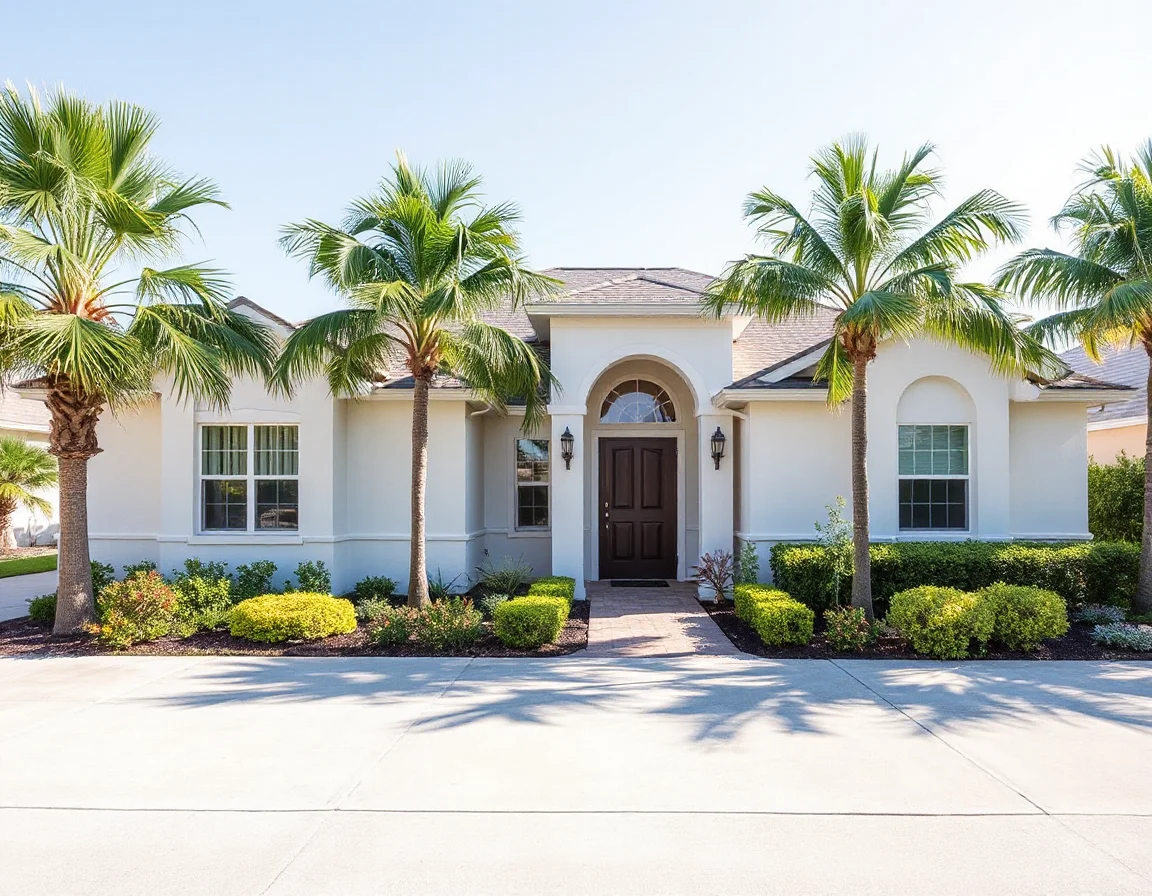
More listings can also make comparison shopping more productive. Keep a simple record of each property’s list price, days on market, square footage, improvements, exterior condition, storage, garage arrangement, water access if any, and estimated recurring expenses. A lower list price may not represent the lower overall cost if major repairs or upgrades are likely. On the other hand, a home that has been carefully updated may justify a different comparison set than one that needs significant work.
It is equally important not to confuse a longer marketing time with a problem in every case. Some properties have distinctive layouts, specialized features, or price points that naturally appeal to a narrower pool of interested buyers. The better question is whether the list price and condition align with recent closed sales and current alternatives. A thoughtful offer is built from those facts, not from a generalized assumption that every seller must accept a discount.
Search Merritt Island listings
Buyers who are financing should keep a preapproval current and leave room in the budget for inspections, lender requirements, closing costs, and post-closing projects. If a home has been listed for some time, ask what has changed since it first entered the market and whether any repairs, price adjustments, or contract activity have occurred. Clear questions and a complete offer can be more useful than leading with an arbitrary number.
How Sellers Can Respond Without Chasing the Market
For sellers, the goal is not to chase every new listing or react emotionally to one nearby price reduction. The goal is to create a compelling, evidence-based position on the day the home reaches the market. Start with recently sold properties that share meaningful characteristics, then review active competition honestly. A home that is larger, renovated, waterfront, or located on a different type of lot should not be treated as identical to a nearby property just because it has the same number of bedrooms.
Preparation matters because buyers often decide whether to schedule a showing based on the first few images. Before listing, address visible deferred maintenance, remove unnecessary items, improve lighting, and make exterior spaces easy to understand. On Merritt Island, practical features such as hurricane protection, garage storage, screened outdoor areas, roof documentation, landscaping condition, and water-related improvements can deserve clear attention in the marketing materials.
Pricing is most effective when it encourages buyers to see value rather than wonder what is being overlooked. An asking price that begins far above relevant comparable sales can limit early traffic, and the first weeks of marketing are often the most valuable. This does not mean underpricing is always appropriate. It means the price, condition, and presentation should tell the same story from the start.
Once a listing is active, watch the feedback. Are buyers commenting on condition, layout, price, or a feature that needs better explanation? Are similar homes receiving quicker attention? A seller can use those observations to refine photos, descriptions, showing readiness, or pricing strategy. Decisions should be based on the property’s response in the market rather than on a single headline about median values.
Reading Local Signals With Perspective
Merritt Island includes a broad mix of housing—from established inland neighborhoods to homes near waterways, launches, recreation areas, and major employment corridors. That variety means a market report is a starting point, not a verdict. Median sale price, average days on market, and months of supply can be useful indicators, but they do not replace a close review of the homes a buyer would actually tour or the listings a seller would truly compete against.
Seasonality can also affect the picture. New listings may arrive in clusters, while buyer activity can change around weather, travel schedules, financing conditions, or local events. It is wise to look at more than one month of information and to separate active, pending, withdrawn, expired, and closed listings. Pending sales can indicate demand, while closed sales show what buyers and sellers ultimately agreed upon.
A well-priced property does not need to be the least expensive option; it needs to make sense against the alternatives buyers can see today.
Whether you are buying or selling, focus on controllable steps. Buyers can clarify their must-haves, review disclosures carefully, and compare total costs. Sellers can improve condition, document major updates, prepare for showings, and use current comparable data to set expectations. Both sides benefit from patience, prompt communication, and decisions grounded in the details of a specific property.
The Bottom Line for Today’s Decision-Makers
Inventory and price shifts are signals—not instructions. For buyers, they may create opportunities to evaluate more homes and negotiate thoughtfully when the facts support it. For sellers, they reinforce the importance of preparation, precise pricing, and a marketing plan that highlights what makes a property distinctive. A current, property-specific analysis is the clearest way to turn changing market conditions into a practical next move.