
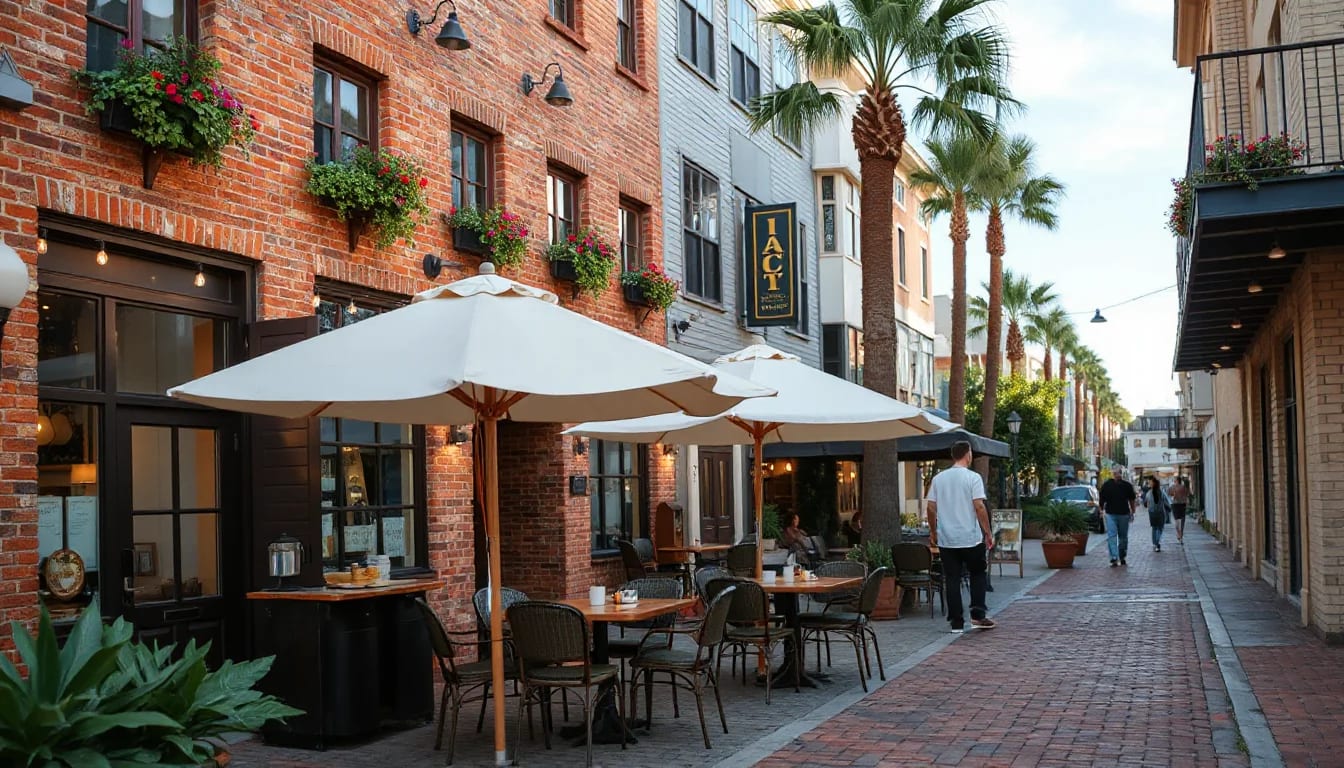
Melbourne Beach offers an easygoing way to spend a day outdoors: ocean access points, shaded park spaces, riverfront views, and locally owned dining destinations are all part of the rhythm. Whether you are planning a visit, comparing coastal communities, or exploring homes nearby, this guide highlights practical places to start and the details that make this barrier-island town distinctive.
A Coastal Day Begins at the Ocean
On Melbourne Beach, the Atlantic is not simply a view from a distance—it is part of the daily landscape. Public beach access points along the town’s oceanfront make it possible to build a morning, afternoon, or sunset walk around the shoreline. Conditions change with tides, wind, and seasonal weather, so it is always wise to check posted notices, watch the surf, and bring water, sun protection, and footwear suited to warm sand.
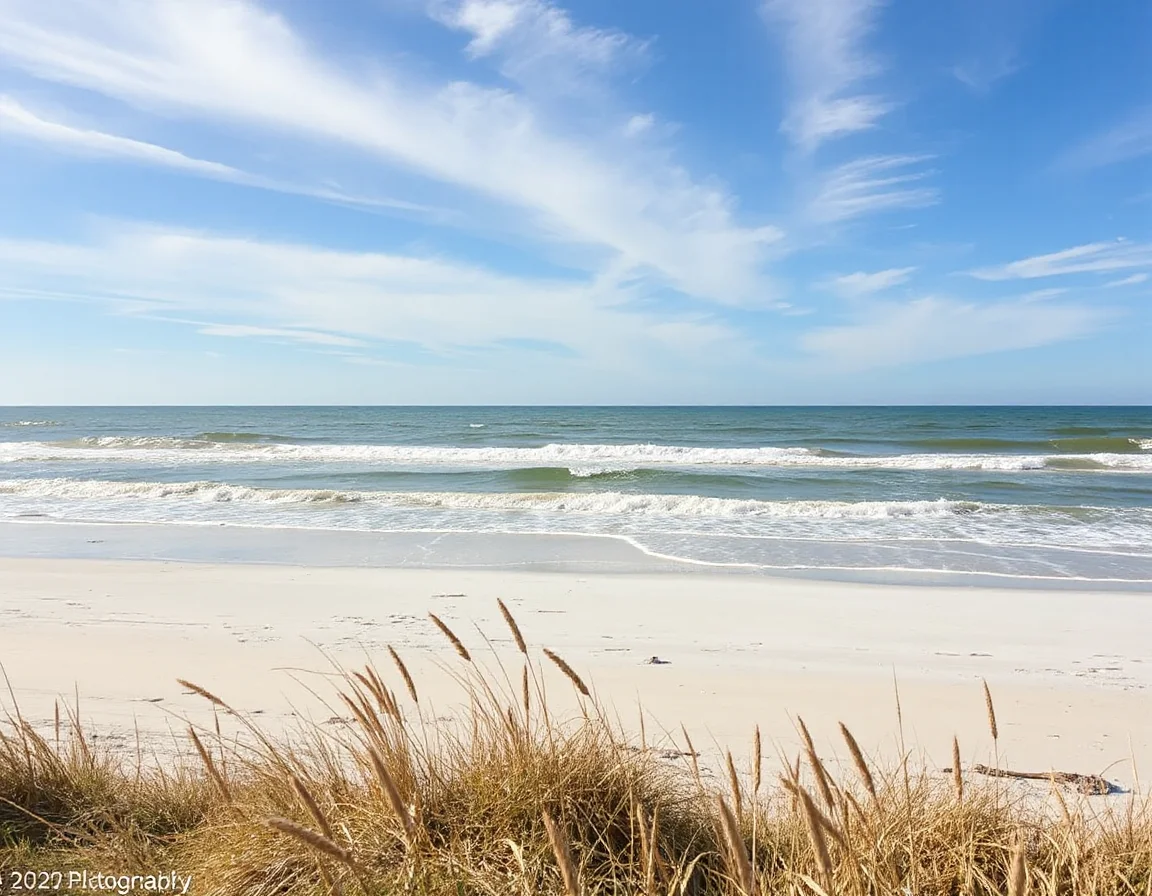
Ocean Avenue is one of the best-known corridors for reaching the beach, with the town’s compact commercial area and public shoreline access close together. That connection is a practical advantage for anyone who likes a day that can move easily from a beach walk to a meal or an errand without a long drive. Parking availability can vary by time of day and season, so arriving earlier or exploring on a weekday may make the experience more relaxed.
South of the central beach area, Spessard Holland Beach Park is another familiar destination for oceanfront recreation. The setting includes dune vegetation, open sand, and the recognizable coastal character that defines this stretch of Brevard County. Visitors often come for walking, surf watching, fishing from shore where permitted, or simply taking in the changing colors over the water.
The most comfortable beach schedule is often built around the weather rather than the clock: cooler mornings and late-afternoon light can make a shoreline walk especially enjoyable in warmer months.
For residents and prospective buyers, proximity to the water brings both appeal and practical considerations. Coastal homes may have different maintenance needs, insurance questions, elevation considerations, and wind-mitigation features than properties farther inland. A closer look at a specific home should include its access routes, parking arrangement, roof age, exterior materials, and any applicable association or municipal guidelines—not just its distance from the sand.
Parks, River Views, and Open-Air Time
Melbourne Beach’s outdoor character extends beyond the Atlantic shoreline. On the west side of the barrier island, the Indian River Lagoon creates a quieter counterpoint to the ocean, with protected waters, mangrove-lined edges, and broad sunset views. The lagoon is an important part of the region’s ecology, and its changing light gives even a short walk or pause outdoors a distinctly local feel.
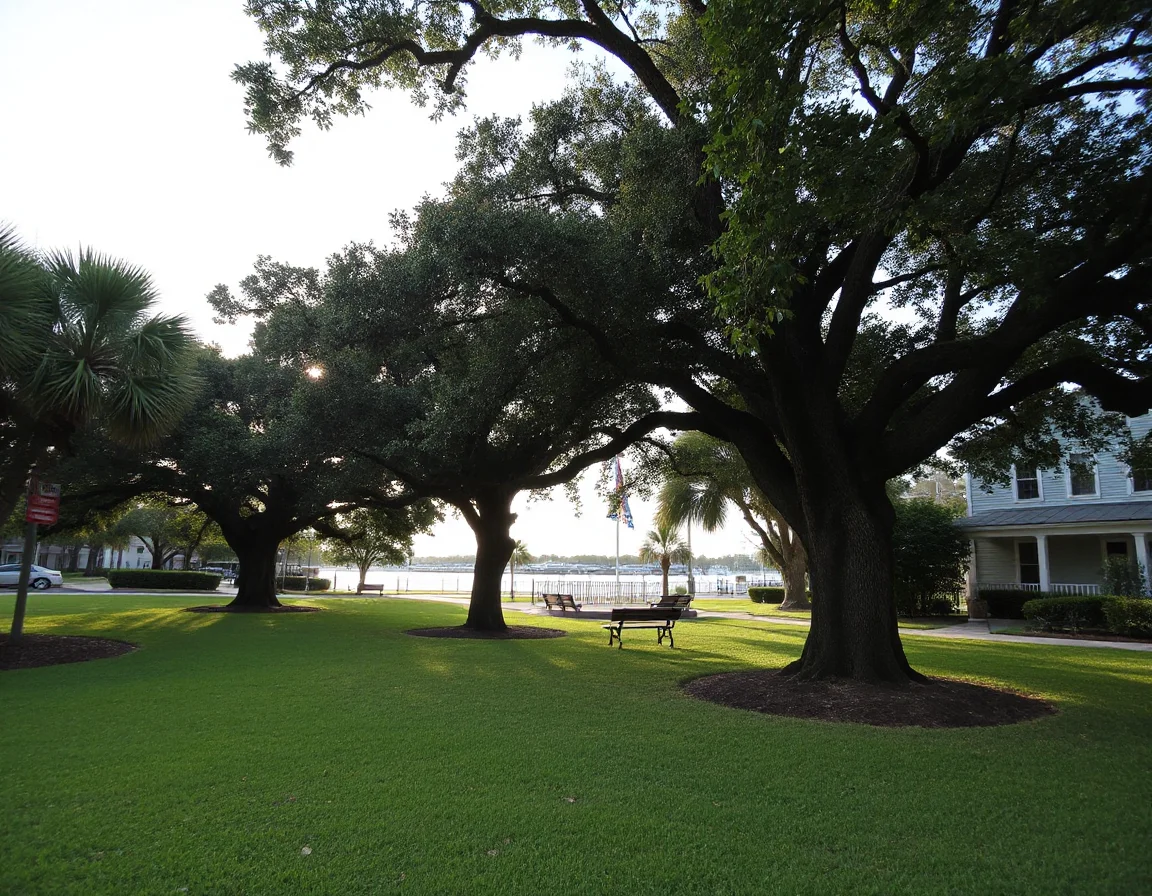
Ryckman Park, near the Ocean Avenue area, is a useful stop for those looking for a green space close to town amenities. Its location near the river adds a different kind of scenery to a coastal outing: calmer water, boats passing at a distance, and room to slow down between other plans. Public parks are also valuable reference points when comparing nearby streets, because they help illustrate how a community connects its residential areas with shared outdoor spaces.
The Indian River Lagoon supports a variety of water-based activities, though conditions and access rules should always be confirmed locally. Paddling, boating, and fishing are common ways people experience the lagoon, while the shore itself can be just as rewarding for birdwatching or an evening view. Respecting posted launch areas, protecting seagrass, and packing out all gear and trash helps preserve the waterway for everyone who uses it.
Small neighborhood parks and beachside access areas also add convenience to everyday life. They are not substitutes for a private yard or outdoor living space, but they can broaden the options available within a short drive or walk. When touring homes, take time to visit nearby public spaces at different times of day; traffic patterns, shade, parking, and noise levels are easier to understand firsthand.
The Atlantic and the lagoon are only a short distance apart here, but they offer noticeably different experiences: active surf and open horizons on one side, calmer water and sunset-facing views on the other.
Dining That Fits the Pace of the Town
Local dining in Melbourne Beach tends to be part of the day rather than a separate destination. A casual lunch after time outside, a coffee break before browsing nearby businesses, or an evening meal after sunset can all fit naturally into the town’s compact layout. The choices range from quick bites to sit-down dining, with seafood, coastal Florida flavors, and familiar comfort dishes commonly represented across the broader beachside area.
Rather than trying to schedule every stop in advance, consider leaving room for a little flexibility. Seasonal hours, weather, and special events can influence wait times and availability, especially near the oceanfront. Checking current hours directly before heading out is the simplest way to avoid disappointment, and it also makes it easier to plan around a beach walk, park visit, or local errand.
The appeal of the dining scene is closely tied to its setting. Many outings involve short drives between the river, the beach, and nearby residential streets, so the transition from outdoor activity to a meal feels uncomplicated. This is one reason lifestyle research can be useful when evaluating an area: maps and listing descriptions show proximity, but spending time on the actual routes reveals how those places function together.
For home buyers, it can help to distinguish between being near amenities and being directly affected by activity around them. A home close to a popular corridor may offer convenience, while another a few blocks away may have a different traffic pattern and sound environment. Neither is automatically better; the right fit depends on the property, the street, and the preferences of the person considering it.
Exploring Homes With the Full Picture in Mind
Melbourne Beach real estate includes a range of property styles, from ocean-adjacent residences and condos to homes nearer the lagoon and properties set along quieter residential streets. Architectural details, lot sizes, outdoor spaces, and renovation levels can vary substantially, even within a relatively small geographic area. That variety makes a focused search especially helpful when comparing available homes.
It is worth looking beyond listing photos and noting the features that influence coastal ownership over time. Ask about storm protection, drainage, roof condition, HVAC age, outdoor materials, flood-zone information, insurance history when available, and any permits associated with renovations. If a property is governed by an association, review the documents, fees, rules, reserves, and rental policies as part of the due diligence process.
Seeing the area in person can also provide useful context for a home search. Walk from the property toward the nearest beach access or park, take the route to the river, and observe how the street feels during a normal part of the day. A home is more than its square footage; its surroundings, access points, and maintenance profile all contribute to the ownership experience.
Search Melbourne Beach listings
From the oceanfront to the lagoon, Melbourne Beach is a place where outdoor access and everyday convenience often overlap. Spend time exploring the parks, shoreline, and dining options at your own pace, then use what you learn to guide a more informed home search. The strongest decisions come from pairing the appeal of a coastal setting with a clear understanding of the individual property and its practical details.