
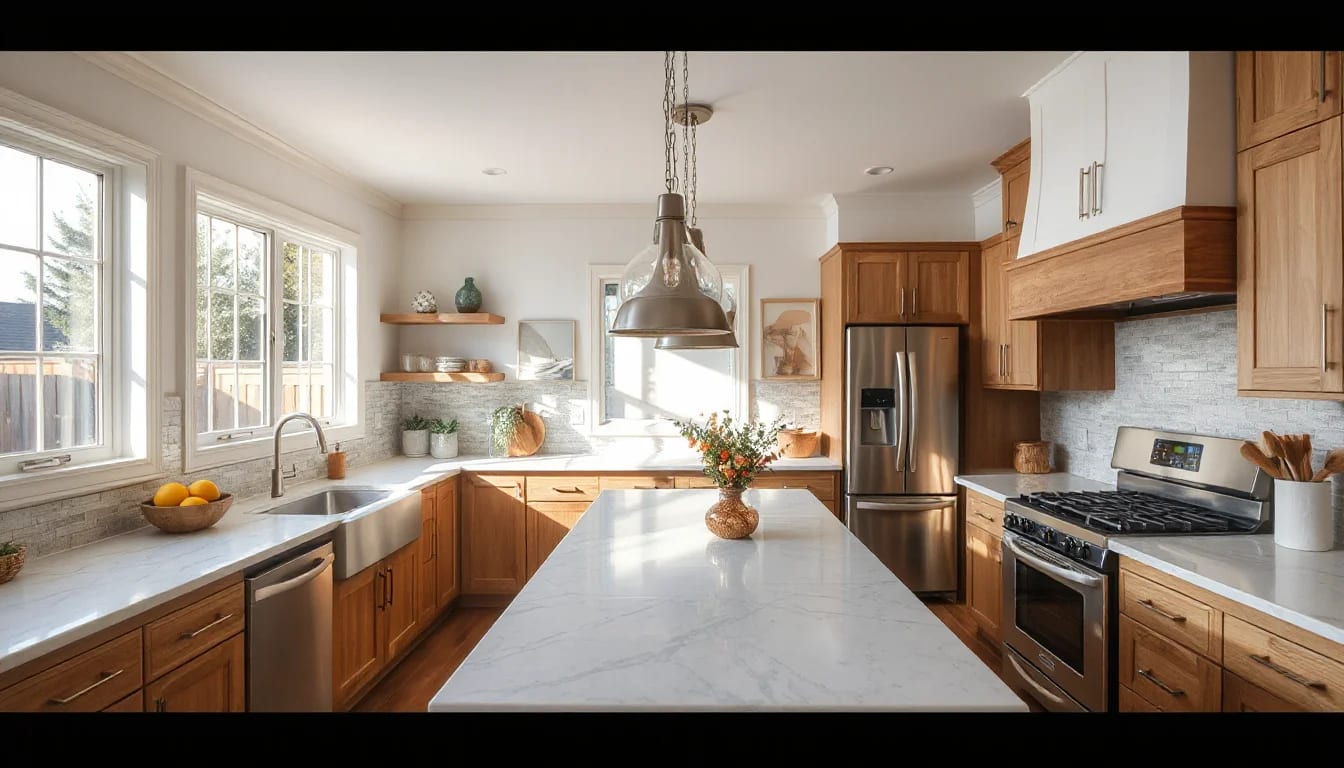
Not every renovation adds value at resale, and in Grant Valkaria the strongest returns usually come from upgrades that improve condition, function, and everyday appeal rather than highly customized finishes. If you are planning improvements before listing, a smart budget often goes farther with exterior refreshes, kitchens, baths, and big-ticket maintenance items buyers notice immediately. The key is matching the work to local expectations so the home feels updated, well cared for, and ready for the market.
Start With the Upgrades Buyers Notice First
When homeowners think about resale, it is easy to jump straight to dramatic remodel ideas. In practice, the best return usually comes from practical improvements that make a property look cleaner, work better, and feel easier to maintain. In a market like Grant Valkaria, where buyers often compare lot size, privacy, layout, and overall property condition, the homes that stand out tend to be the ones with strong presentation and fewer obvious deferred-maintenance concerns.
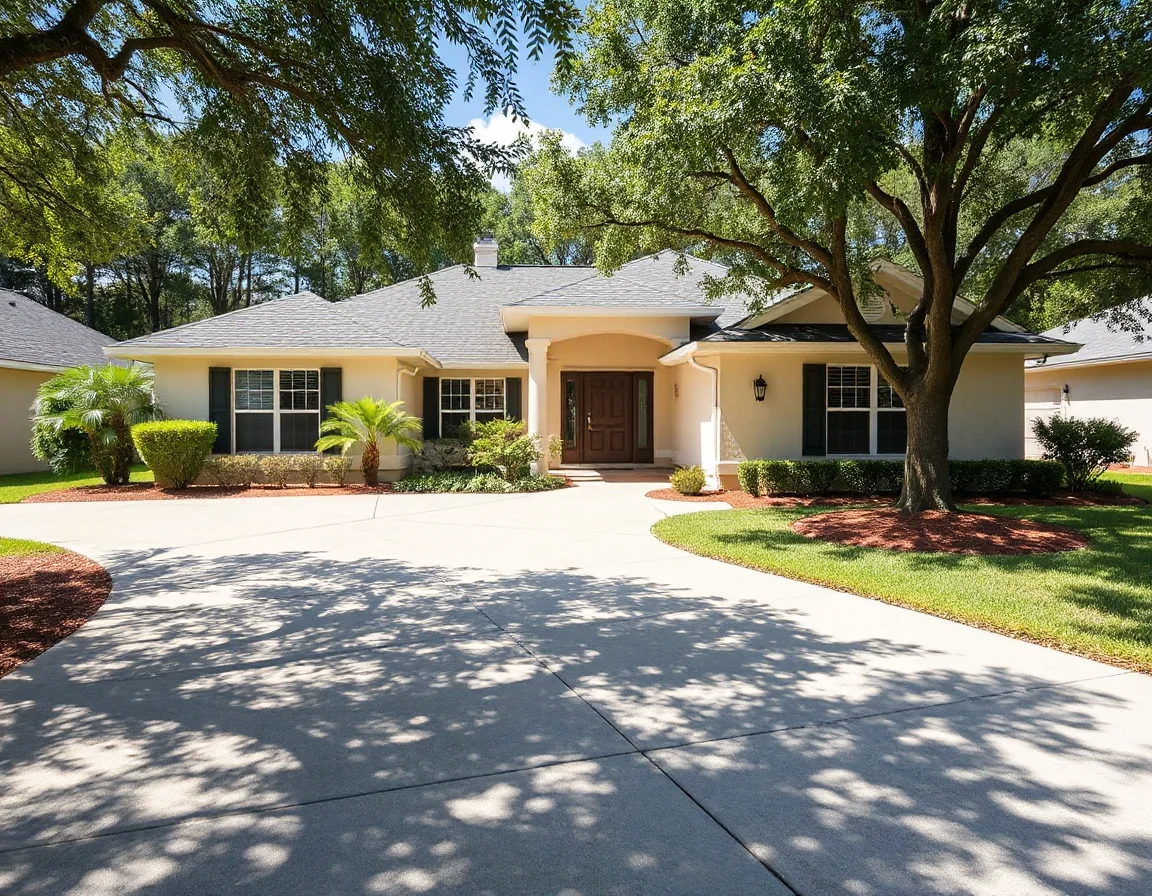
That is why curb appeal is often the first place to look. Fresh exterior paint, pressure washing, trimmed landscaping, a tidy driveway, and a polished front entry can shift a buyer’s impression before they even step inside. These are not the flashiest projects, but they support photos, showings, and first impressions in a way that expensive niche upgrades often do not. A buyer may forget a trendy light fixture, but they will remember whether the property looked cared for from the street.
Roof condition, HVAC performance, and window or door updates can also carry real resale weight. Even when these improvements are not visually dramatic, they reduce uncertainty. Buyers shopping in Florida often pay close attention to major systems because replacement costs affect affordability after closing. If your budget is limited, addressing worn-out essentials can be more valuable than installing luxury features that do little to solve visible maintenance issues.
If a buyer sees an attractive interior but suspects a roof, HVAC, or exterior repair bill is coming soon, that concern can outweigh cosmetic upgrades during negotiations.
Kitchen and Bath Updates Still Matter, but Strategy Matters More
Kitchens and bathrooms remain important because they are high-use spaces that quickly reveal a home’s age and upkeep. The strongest resale approach is usually selective modernization rather than a total gut renovation. Painted or refaced cabinets, updated hardware, durable countertops, new lighting, and coordinated fixtures can make a kitchen feel refreshed without pushing the project into a price range the neighborhood may not support.
Bathrooms follow the same logic. Replacing dated mirrors, vanities, faucets, lighting, and worn flooring can create a cleaner and more current look without overbuilding for the market. Neutral finishes tend to appeal broadly because they help buyers imagine how the space might function for their own plans. A well-executed update reads as move-in ready, while an overly personalized design may narrow appeal or fail to recover its cost.
Flooring is another high-impact category that connects these rooms to the rest of the house. If a home has a patchwork of old materials, stained carpet, or mismatched finishes, replacing them with a consistent, durable flooring choice can make the whole property feel more cohesive. That sense of continuity often matters just as much as any one individual upgrade.
Outdoor Improvements Can Be Especially Valuable
Outdoor space is part of the buying decision, especially where lot size, storage, and day-to-day usability are important. That does not mean every backyard project will produce a strong return. The most effective upgrades usually improve function and appearance: clearing overgrowth, defining gathering areas, adding or repairing fencing where appropriate, improving drainage, refreshing patios, and making the yard easier to maintain.
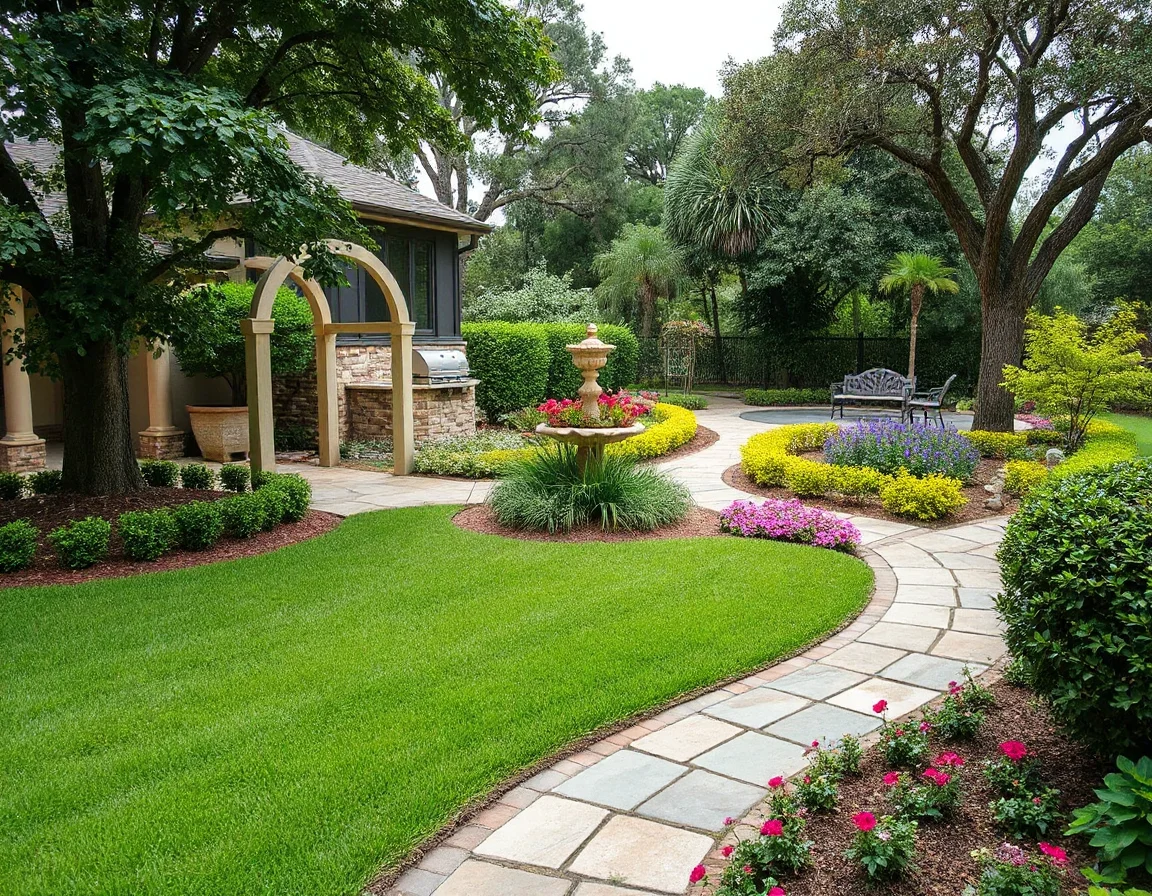
On larger properties, buyers also notice whether accessory structures, driveways, and open land appear organized and usable. A detached garage, workshop, shed, or parking pad can be an asset if it is clean, legal, and well maintained. The same feature can become a negative if it looks unfinished or poorly integrated into the property. Presentation matters as much as the feature itself.
Screened lanais, porches, and covered outdoor areas can also help resale when they expand usable living space in a practical way. Rather than building something highly elaborate, think about creating an outdoor setting that feels comfortable, orderly, and connected to the home. These are the types of details that photograph well and help buyers understand how the property lives from day to day.
One of the best questions to ask before starting any exterior project is simple: will this improvement make the home easier to enjoy, easier to maintain, or easier to understand? If the answer is yes, it is more likely to support resale value than a feature built mainly for novelty.
Avoid Overimproving for the Area
One of the most common resale mistakes is spending heavily on upgrades that exceed what nearby buyers typically expect. High-end materials, complex built-ins, or luxury specialty rooms can be beautiful, but they do not always translate into equivalent sale price gains. The market rewards homes that are competitive within their area, not necessarily homes with the highest renovation bill.
That is why it helps to compare your home not only to what you wish it could become, but also to what buyers are actually choosing in similar price ranges. If comparable homes tend to sell based on condition, layout, lot utility, and basic updates, then those are the areas to prioritize. You want the property to feel strong against nearby alternatives, not disconnected from them.
A clean, updated home with balanced finishes often performs better than a heavily remodeled home where the improvement costs push pricing beyond what nearby comparable sales support.
Documentation can help here too. Permits, warranties, service records, and receipts for major improvements give buyers added confidence. If you replace a roof, update electrical components, install new appliances, or complete drainage work, keep the paperwork organized. Buyers may not pay dollar-for-dollar for each improvement, but clear records can reduce friction and support the value story of the home.
The Best Pre-Listing Plan Is a Prioritized One
Before spending money, it helps to break upgrades into three tiers: essential repairs, high-visibility updates, and optional extras. Essential repairs cover anything that affects financing, inspections, or obvious condition concerns. High-visibility updates include paint, lighting, flooring, landscaping, and kitchen or bath refreshes. Optional extras are the projects that may be nice to have but are less likely to drive a clear return.
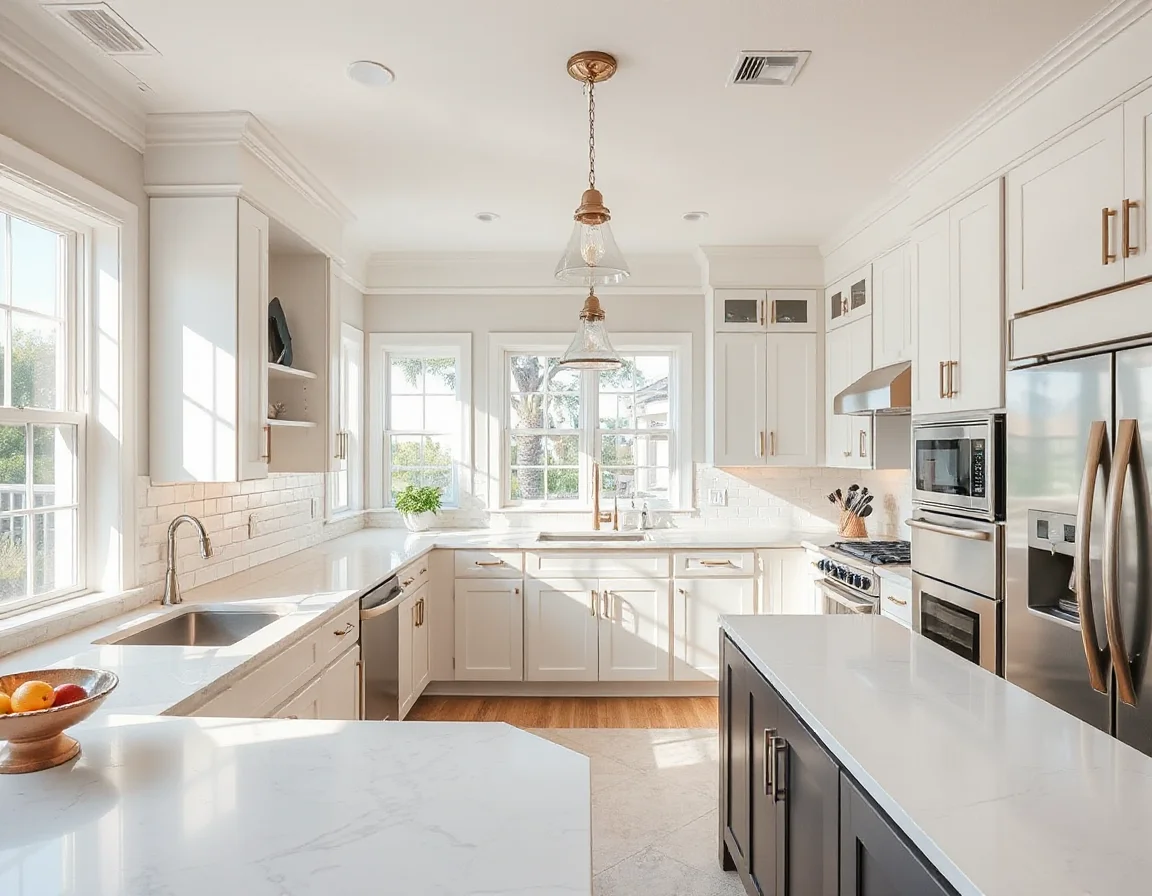
That framework keeps renovation decisions grounded. A full custom remodel may feel exciting, but a simpler plan often produces a better resale result: repair what is broken, modernize what looks tired, and present the property in its best possible light. In many cases, that combination creates stronger showing feedback than a more expensive project with a narrower payoff.
Timing matters as well. Improvements completed too far in advance may lose their freshness by the time the home hits the market, while rushed projects can lead to uneven workmanship. Ideally, a seller chooses the updates that can be completed cleanly and marketed immediately, so buyers experience the benefit right away in listing photos and in person.
For Grant Valkaria homeowners, the most effective resale upgrades are usually the ones that make a property feel solid, attractive, and easy to say yes to. If the home shows clear care, practical updates, and a finish level that fits the local market, it is more likely to attract strong interest and support confident offers.