

Buying your first home in Cape Canaveral can feel much more manageable when you break it into clear steps: financing, search strategy, inspections, and closing prep. This guide walks through the process in plain language, with practical tips for coastal properties, local inventory, and the timing decisions that matter before you make an offer.
Start With a Budget That Works in Real Life
The first step is not touring homes online for hours, although that is usually the fun part. A stronger starting point is understanding what monthly payment feels comfortable once you include principal, interest, property taxes, insurance, and any HOA or condo fees. In Cape Canaveral, that last category matters because many buyers are comparing single-family homes, townhomes, and condos near the coast, each with a different cost structure.
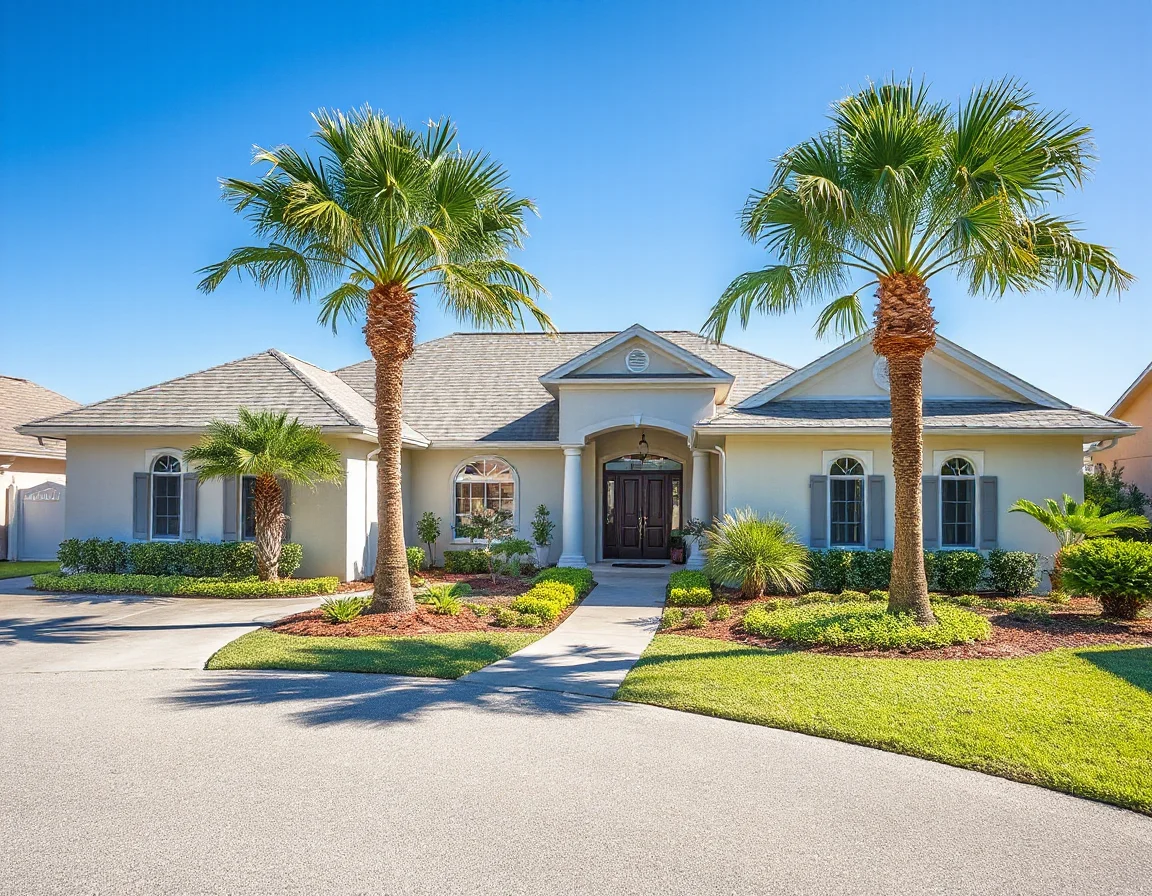
Many first-time buyers focus only on the maximum loan amount a lender will approve. A better move is to compare that ceiling with your own comfort zone. Think through recurring expenses, savings goals, maintenance reserves, and how much flexibility you want left over each month. That personal number may be lower than the lender's number, and that is perfectly reasonable.
It also helps to separate your budget into two categories: purchase price and cash needed to close. Down payment is only one piece. You may also need funds for appraisal gaps, inspections, loan costs, prepaid items, and moving expenses. When buyers plan for the full picture early, they are less likely to feel rushed once they find a property they like.
If you are comparing condos and houses in the same price range, monthly ownership cost can differ more than expected once insurance, reserves, and HOA fees are added in. Run the full payment on every option before deciding what feels like the best value.
Pre-Approval Gives You a Clear Search Window
A pre-approval letter is one of the most useful tools in the process because it tells you what a lender is prepared to support based on your income, debts, credit profile, and available funds. It also strengthens your position when it is time to submit an offer. Sellers often want confidence that a buyer has already started the financing process and can move forward without unnecessary delays.
To get there, be ready to provide recent pay stubs, tax returns or W-2s, bank statements, identification, and information about current debts. If any of your income is variable, or if you recently changed jobs, expect a few extra questions. That is normal. A solid pre-approval is not just paperwork; it is a chance to catch financing issues before they interfere with a contract timeline.
Ask your lender about rate options, loan programs, estimated closing costs, and how long the pre-approval remains valid. If you are buying in a building with a homeowners association, ask whether the property type could affect loan choices. Some condos have different lending requirements than detached homes, so knowing that in advance can save time once your search begins.
Explore the home buying process
How to Search Smart in Cape Canaveral
Once financing is in motion, your search becomes much more productive. Rather than chasing every new listing, focus on the features that matter most: location within the area, property type, number of bedrooms and baths, parking, storage, outdoor space, building amenities, and whether the home's condition fits your timeline and budget for updates.
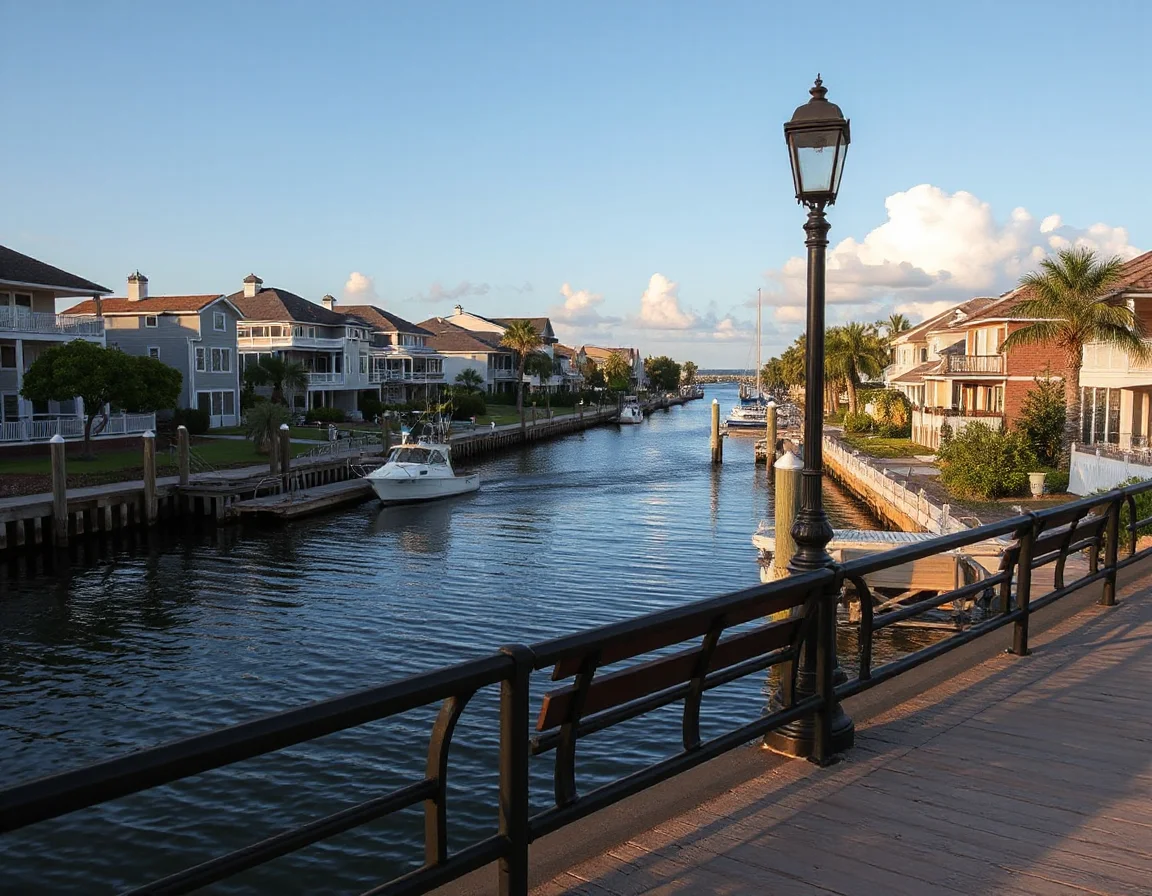
This coastal market often gives buyers a mix of options, from condos with shared amenities to homes with more private outdoor space. That variety is helpful, but it can also make comparisons tricky. A lower purchase price does not always mean lower ownership costs, and a turnkey property may compete against a home that needs work but offers a different layout or location advantage.
While touring, pay close attention to items that carry extra importance near the coast: roof age, window and door condition, HVAC performance, evidence of moisture, building maintenance, and whether insurance costs may vary because of age or features. For condo buyers, review association documents carefully. Monthly fees, reserves, rules, and recent assessments all shape the true cost of ownership.
It is also wise to move quickly when a listing matches your priorities, but not carelessly. The goal is to be prepared enough that you can act with confidence instead of reacting under pressure. A clear must-have list helps you avoid overpaying for features you do not truly need or overlooking details that matter long term.
In a coastal market, the inspection period is especially valuable because it gives you time to evaluate condition, systems, and community documents with less guesswork.
Search Cape Canaveral listings
Making an Offer and Navigating Inspections
When you are ready to write an offer, price is only one part of the conversation. Closing date, financing terms, inspection period, deposit amount, and requested credits can all influence whether an offer looks attractive to a seller. In a competitive situation, clean terms and realistic timelines can matter just as much as the number on the first page.
After a contract is accepted, the next phase usually includes inspections, loan processing, appraisal, and document review. This is where first-time buyers often feel the process becomes more technical. That is normal, and it is exactly why each deadline should be tracked closely. Missing a review period or financing milestone can create avoidable stress later.
If inspections identify concerns, the response is not always to walk away. Sometimes the better approach is to request repairs, ask for a credit, renegotiate based on significant findings, or move forward with a clearer picture of future maintenance. The key is to understand which items are minor wear and which ones affect safety, function, insurability, or your budget.
For condo purchases, this stage can include reviewing association budgets, bylaws, and any known planned repairs. A unit may look excellent inside while the broader building questions deserve equal attention. First-time buyers who take the time to understand both the home and the surrounding obligations are typically in a stronger position by closing day.
What Happens Between Clear to Close and Closing Day
The final stretch usually moves fast. Your lender may issue a clear-to-close notice once underwriting conditions are satisfied, but there are still important tasks ahead: reviewing the closing disclosure, confirming funds needed for settlement, arranging utilities, finalizing insurance, and scheduling your final walkthrough.
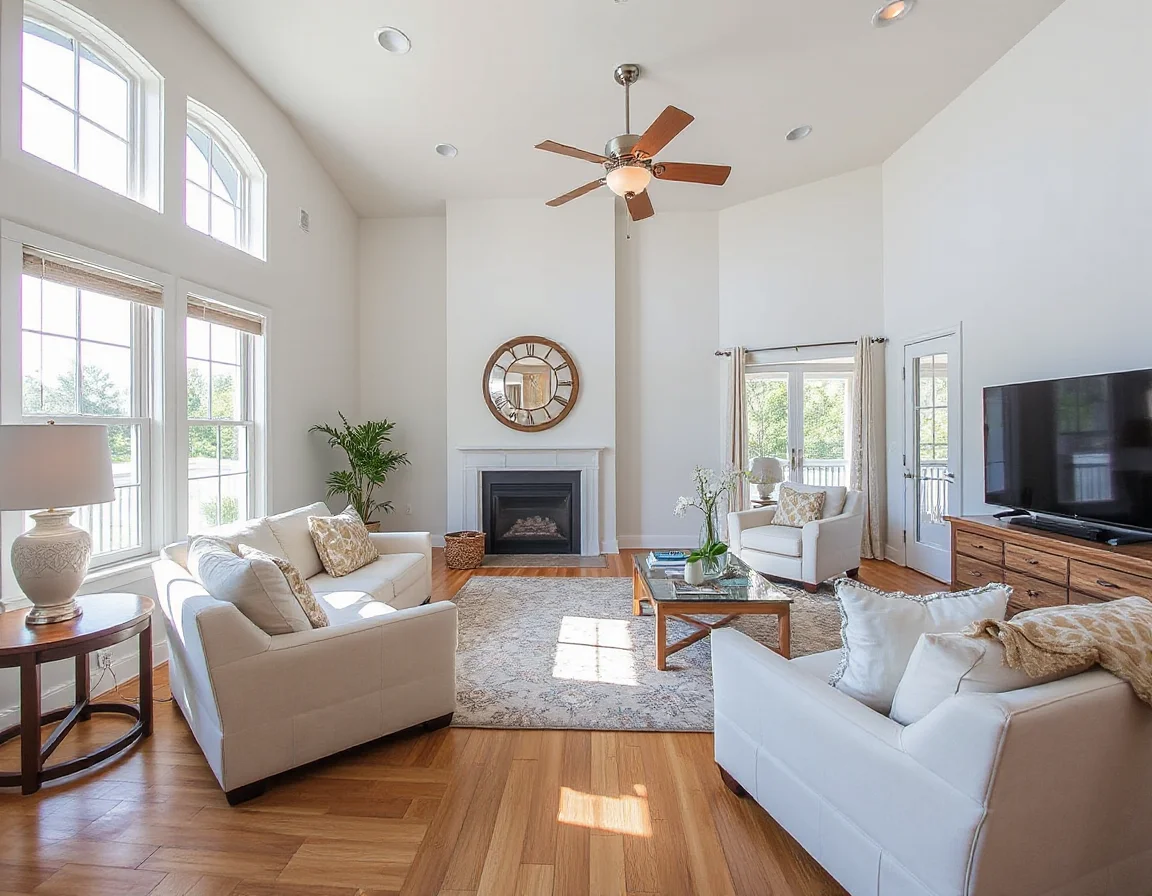
The closing disclosure deserves careful review. Compare it with earlier estimates and ask questions about any line item you do not recognize. Verify your loan terms, cash to close, and timing for sending funds. Always confirm wiring instructions through a trusted direct source before transferring money.
Your final walkthrough is not a second inspection, but it is an important last check. You are confirming that the property is in the agreed condition, any included items remain in place, and any negotiated repairs were completed if required by the contract. Small details matter here because this is your best chance to catch issues before documents are signed.
On closing day itself, expect paperwork, identification checks, and signatures across several loan and transfer documents. Once funding and recording are complete, the home is officially yours. For many first-time buyers, that moment feels less dramatic than expected and more like a deep exhale after a long, carefully planned process.
A First-Time Purchase Is Easier With the Right Preparation
Buying in Cape Canaveral becomes much less overwhelming when you treat it as a sequence of decisions instead of one giant leap. Build a payment plan you can live with, get pre-approved early, search with clear criteria, and use inspections and document review to understand exactly what you are buying. The more organized you are before making an offer, the more confident you can be from contract to closing.
Whether you are comparing condos, townhomes, or detached homes, the fundamentals stay the same: know your numbers, ask direct questions, and evaluate the full cost of ownership instead of headline price alone. A well-prepared first purchase is not about rushing to the finish line. It is about making informed decisions that still feel right after the keys are in your hand.